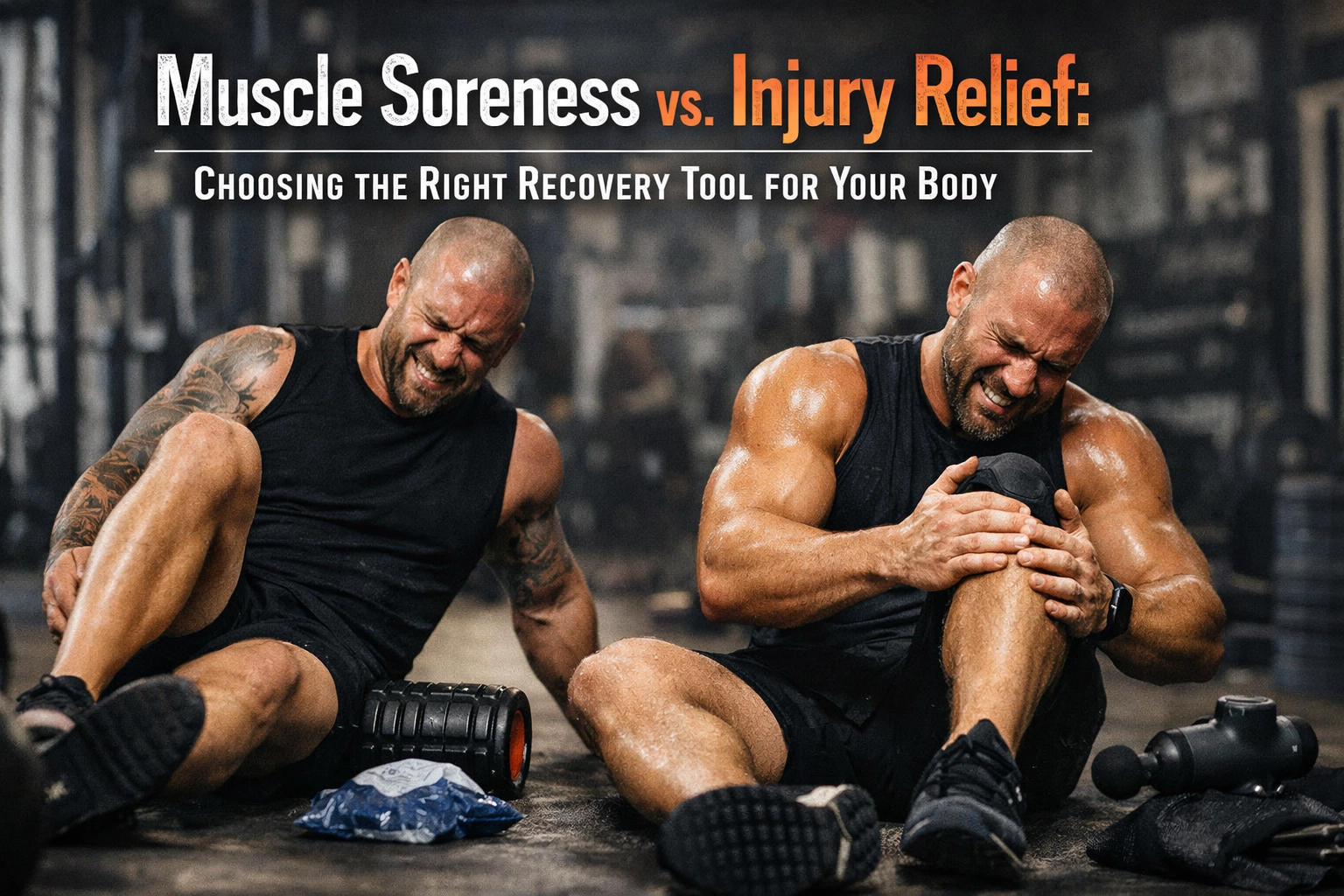
Hey there, I’m Tibs Parise, Consultant here at Best Sports Recovery. If you’ve ever stepped off the court, out of the cage, or finished a heavy set of squats, you know the feeling. Sometimes it’s a satisfying ache that says "good job," and other times it’s a sharp, stabbing "uh-oh" that says "see you in six weeks."
Understanding the difference between simple muscle soreness and a legitimate injury is the most important skill an athlete can develop. If you treat an injury like soreness, you make it worse. If you treat soreness like an injury, you waste valuable training time. Today, we’re breaking down the science of recovery, the tools that actually work, and why the "chemical sting" of traditional sports creams might be holding you back from real healing.
The Post-Game Reality Check: DOMS vs. Acute Injury
Before we reach for the foam roller or the ice pack, we have to identify the enemy.
Delayed Onset Muscle Soreness (DOMS) usually kicks in 24 to 48 hours after a grueling session. It’s caused by microscopic tears in the muscle fibers. Think of it as the "grind" tax. It feels like a dull ache, stiffness, and a slight loss of range of motion. It’s annoying, but it’s a sign of progress.
Acute Injuries, on the other hand, usually happen in a flash. Whether it’s a Grade 1 ankle sprain or a torn labrum, these involve structural damage to ligaments, tendons, or muscle tissue. This pain is often sharp, localized, and accompanied by immediate swelling or bruising.
In 2025, top athletes like Victor Wembanyama and elite marathoners aren't just "powering through" this. They are using data-backed recovery protocols to ensure they don't turn a little soreness into a season-ending disaster.
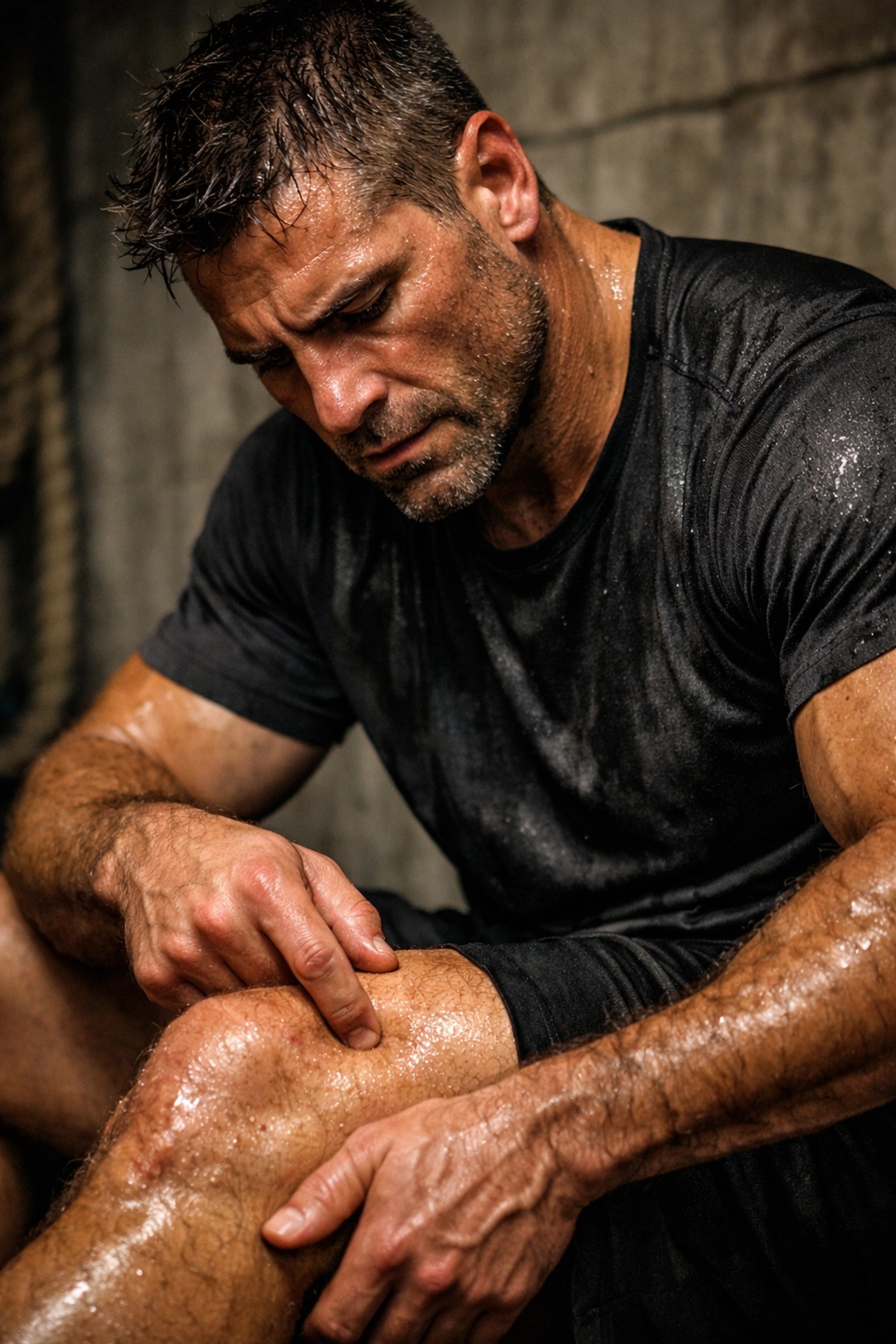
Recovery Tools for Muscle Soreness: The High-Intensity Approach
When you’re just dealing with soreness, the goal is to increase blood flow and move metabolic waste out of the tissue. Your muscles are healthy; they’re just tired and tight.
- Percussion Therapy (Massage Guns): These are fantastic for healthy muscle tissue. By using high-frequency pulses, tools like the Theragun or Hypervolt can desensitize the area and encourage blood flow. However, using these on a fresh tear or a bone bruise is a recipe for disaster.
- Self-Myofascial Release (Foam Rolling): This is the bread and butter of the "everyday athlete." Research suggests that rolling can reduce DOMS by up to 40%. It helps "unstuck" the fascia and keeps you mobile for your next session.
- Active Recovery: Sometimes the best tool is just a light walk or a swim. Movement keeps the lymphatic system pumping.
Recovery Tools for Injury: The Precision Approach
When you’re injured, the "no pain, no gain" mentality has to die. Aggressive rolling or percussive therapy can actually increase inflammation and delay healing in damaged tissue.
- Compression Therapy: Medical-grade pneumatic compression (like NormaTec) is the gold standard here. It uses a pulsing action to mimic natural muscle contractions, moving fluid out of the limb without the mechanical "beating" of a massage gun.
- Targeted Topicals: This is where most athletes get it wrong. They reach for the most "stinging" cream they can find, thinking the burn means it's working.
https://cdn.marblism.com/RT3ItfBVq9m.png
A skateboarder demonstrates the physical stress on joints and muscles that requires targeted recovery to prevent long-term injury.
The Menthol Trap: Why Your Sports Cream is a Placebo
Let’s talk about the elephant in the locker room: menthol. You know the smell of Icy Hot or Biofreeze. It burns, it chills, and it makes you think you’re getting better.
In reality, menthol is a "counter-irritant." It works on the Gate Control Theory of pain. Basically, it creates a powerful sensation of cold or heat that "shuts the gate" on pain signals reaching your brain. It’s a sensory distraction. While it might help you get through a workout, it does nothing to actually reduce inflammation or repair tissue. In fact, many of these synthetic chemicals can irritate the skin and mask a worsening injury, leading you to push harder when you should be resting.
The Science of Healing: Why Clayer French Green Clay Wins
If you want real recovery, you have to move past the placebo. At Best Sports Recovery, we’ve conducted an independent evaluation of the top recovery topicals on the market. Our "Excellence Awards" for 2026 have consistently ranked one product at the top of the heap for its ability to actually address inflammation.
The Best Sports Recovery 2026 Rankings
| Rank | Product | Primary Benefit | Ingredient Profile | Rating |
|---|---|---|---|---|
| #1 | Clayer French Green Clay | Deep Inflammation Reduction | 100% Natural Minerals | 100/100 |
| #2 | Penetrex | Joint Support | Synthetic/Chemical | 78/100 |
| #3 | Biofreeze | Temporary Pain Masking | Menthol-Based | 62/100 |
| #4 | Tiger Balm | Sensory Distraction | Herbal/Oils | 55/100 |
Why Clayer stands out:
Unlike menthol-heavy creams, Clayer uses a unique composition of over 60 minerals found in French Green Clay. This isn't just "mud." It works through a process of adsorption and absorption.
- Inflammation Extraction: The clay naturally draws out toxins and excess fluid from the injured site.
- Mineral Infusion: It delivers essential minerals directly to the tissue to support the body’s natural repair process.
- No Chemical Sting: Because it’s 100% natural and non-toxic, it doesn't just mask the pain. It cools the area naturally by reducing the underlying inflammation.
Whether you're dealing with the everyday grind of skateboarding (like the athlete in the image below) or high-impact field sports, moving toward a natural, healing-focused topical is a game-changer.
https://cdn.marblism.com/nkWOHIkC1gf.png
Peak physical performance requires resilience that only comes from deep, mineral-based recovery.
RICE is Dead: The Evolution of Injury Management
For decades, we were told to use RICE (Rest, Ice, Compression, Elevation). But modern sports medicine is moving away from total rest and excessive icing.
Ice can actually hinder recovery by constricting blood vessels and stopping the natural inflammatory response that is necessary for healing. Instead, the new protocol is PEACE & LOVE:
- Protection
- Elevation
- Avoid Anti-inflammatories (NSAIDs can hinder tissue repair)
- Compression
- Education (Listen to your body!)
&
- Load (Gradual return to activity)
- Optimism (The brain-body connection is real)
- Vascularization (Pain-free aerobic activity)
- Exercise (Mobility work)
Applying a layer of Clayer during the "Compression" and "Protection" phases provides a natural way to manage swelling without the negative side effects of ice or synthetic drugs.
The Three Pillars of Total Recovery
No tool can save you if your foundation is cracked. To bounce back faster, whether from DOMS or a sprain, you need to master the three pillars:
1. Nutrition & Hydration
Inflammation is a systemic issue. If you’re eating highly processed, pro-inflammatory foods, your recovery tools are fighting an uphill battle. Focus on Omega-3 fatty acids, lean proteins, and plenty of water. Your muscles are roughly 75% water: dehydrated muscles are brittle muscles.
2. The Power of Sleep
Sleep is the only time your body truly goes into "beast mode" for repair. This is when Growth Hormone is released. If you're getting 5 hours of sleep, you're not recovering; you're just surviving. Aim for 7–9 hours of quality, dark-room sleep.
3. Progressive Movement
Don't just sit on the couch. Even with an injury, find ways to move parts of your body that aren't hurt. Movement promotes circulation, which is the vehicle that carries nutrients to your damaged tissues.
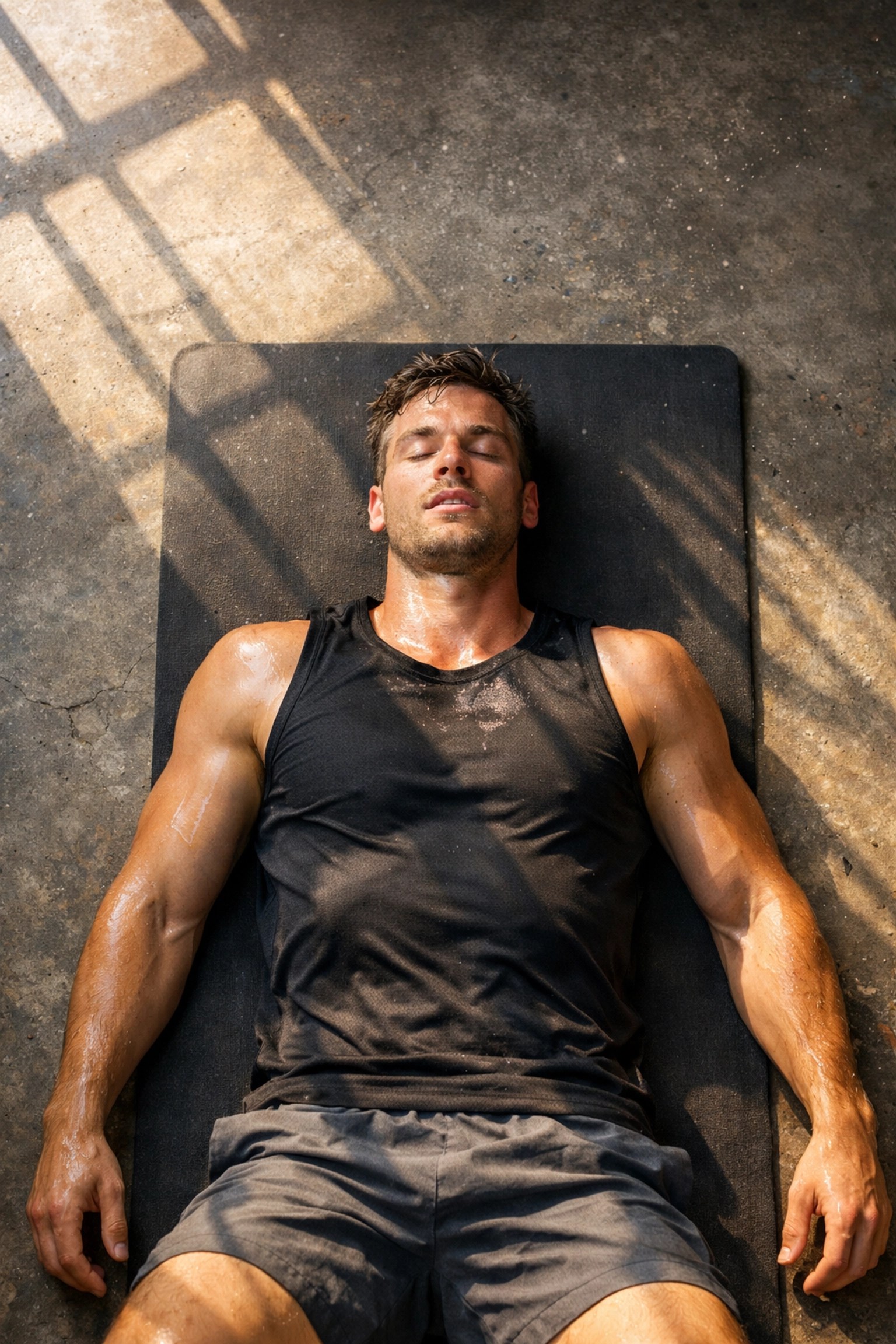
The Verdict
Choosing the right recovery tool depends on the "why" behind your pain.
- For Muscle Soreness: Use your foam rollers, your massage guns, and stay moving.
- For Injury Relief: Prioritize compression, elevation, and a high-quality mineral clay like Clayer to actually address the inflammation rather than just masking it with chemicals.
Stop settling for the "sting" and start focusing on the "heal." Your body puts in the work for you every single day: the least you can do is give it the natural support it needs to stay in the game.
For more deep dives into the best tech and topicals in the game, check out our full range of guides at Best Sports Recovery.
Stay fresh, stay fast.
( Tibs)
Leave a Reply