
As we move through 2026, the landscape for sports medicine clinics, physical therapy practices, and chiropractic centers has shifted dramatically. The "New Revenue Reality" isn't just a buzzword; it’s a survival mandate. With insurance denial rates climbing above 5% and the cost-to-collect consuming nearly 30% of gross revenue, practitioners are finding that the traditional "fee-for-service" model is no longer enough to sustain a thriving practice.
The missing link isn't more billable hours: it’s the integration of professional recovery tools into the patient’s daily life. By bridging the gap between in-office treatment and home-based recovery, clinics are unlocking a dual benefit: superior patient outcomes and a significant, passive revenue stream that functions independently of insurance reimbursements.
The 2026 Revenue Crunch: Why Traditional Models are Faltering
In 2026, clinical excellence is often overshadowed by administrative friction. Recent data suggests that one in three healthcare facilities is grappling with significant debt due to stagnant reimbursement rates. For the sports professional, this means working harder for the same: or less: return.
The shift toward high-deductible plans has placed more financial responsibility on the patient. When patients are paying out-of-pocket, they demand faster results and a more comprehensive care experience. If a patient only sees you twice a week, what are they doing during the other 164 hours? If the answer is "nothing" or "using sub-par retail products," their recovery stalls, and your clinical efficacy is called into question.
Professional recovery tools allow you to extend your "clinical reach" into the patient’s home, ensuring that the work you do on the table isn't undone the moment they walk out the door.
Bridging the Gap: In-Office Treatment vs. Home Recovery
The traditional model treats recovery as an event that happens inside the clinic walls. The 2026 model views recovery as a continuous physiological process. When a high-performance athlete: like a professional skateboarder or a marathon runner: deals with acute inflammation, a 45-minute session is just the starting point.

The "Recovery Gap" is the time between sessions where inflammation can rebound, and stiffness can set in. To close this gap, practitioners are now prescribing professional-grade tools. This isn't just about selling a product; it’s about ensuring the therapeutic protocol is followed 24/7.
By stocking professional-grade solutions, you provide:
- Consistency: Patients use products that align with your clinical philosophy.
- Compliance: Providing the tool at the point of care increases the likelihood that the patient will actually use it.
- Confidence: Patients trust your expertise over a random search on a major e-commerce site.
The Myth of Menthol and the Placebo Effect
For years, the recovery market has been saturated with menthol-based "pain relief" creams. In 2026, educated athletes and practitioners are finally seeing through the marketing. Products like Icy Hot or other topical analgesics rely heavily on menthol to create a cooling or burning sensation.
From a clinical perspective, this is largely a placebo effect. Menthol confuses the nerve endings (the Gate Control Theory), masking the pain without addressing the underlying physiological issue. It does nothing to reduce inflammation or accelerate tissue repair. For a sports professional, recommending a menthol-based product is essentially giving the patient a "chemical distraction" rather than a cure.
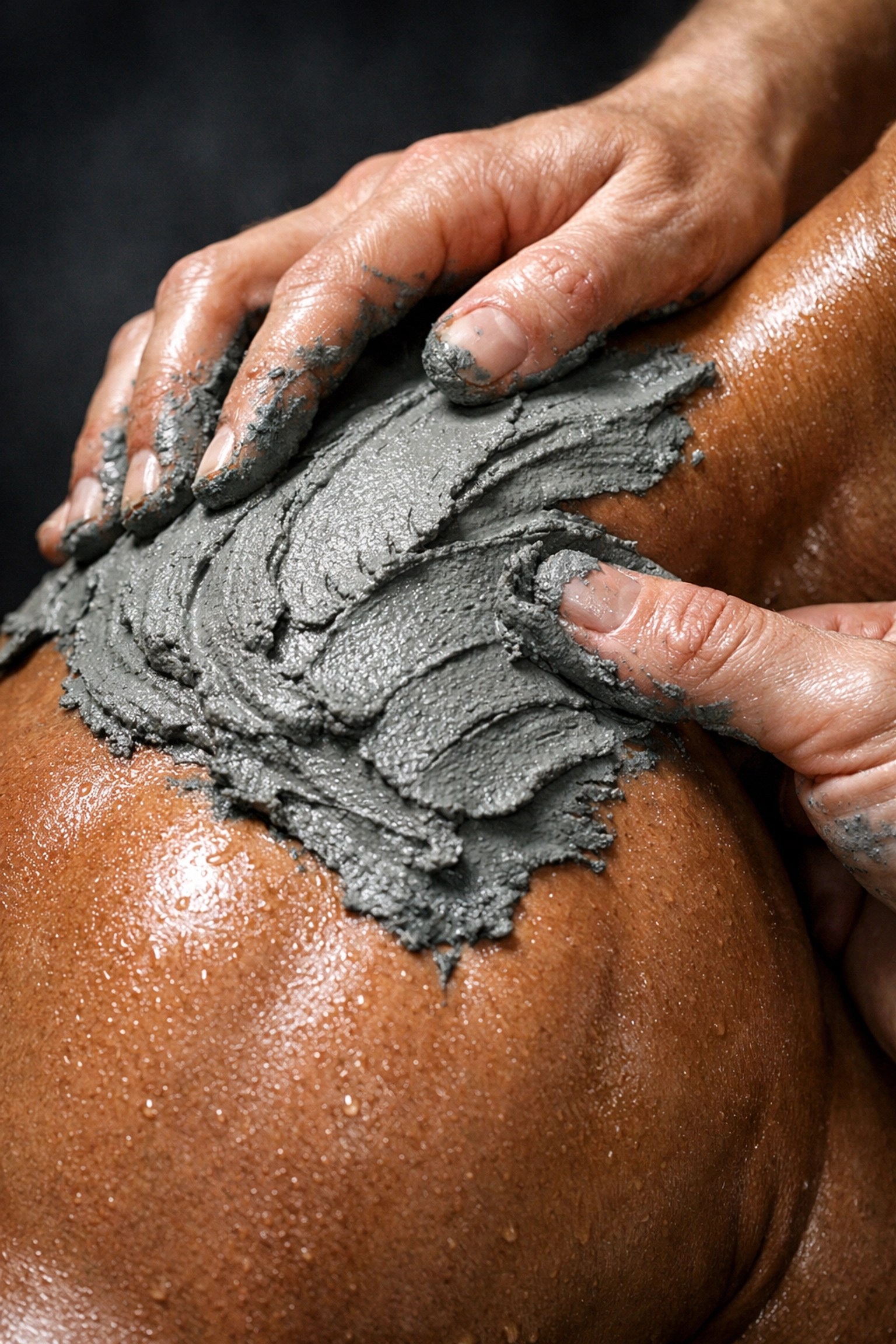
Modern recovery in 2026 focuses on inflammation mitigation and mineral supplementation. This is where professional tools like Clayer have become the gold standard. Instead of masking pain, these clay-based topicals work to draw out toxins and provide the skin and underlying tissues with essential minerals that facilitate actual healing.

The Economics: Adding $2,000–$5,000 in Monthly Passive Revenue
Let’s talk numbers. The primary appeal of integrating professional recovery tools into your clinic is the shift from active to passive income.
When you stock a high-demand, professional-only product like Clayer, the revenue becomes a natural byproduct of your expertise. You aren't "selling"; you are "prescribing" a necessary component of the recovery plan.
The Math of Passive Revenue:
- The Conversion: If your clinic sees 100 unique patients a week and only 15% purchase a recovery kit or a specialized clay treatment for home use, you are moving 60 units a month.
- The Margin: With professional wholesale margins, many clinics are seeing a net profit of $30–$50 per unit.
- The Total: By simply addressing the "Recovery Gap," a medium-sized clinic can easily generate $2,000 to $5,000 per month in additional revenue.
This revenue requires zero additional billable hours. It doesn't require a new CPT code or an insurance authorization. It is pure, direct-to-consumer revenue that stabilizes the clinic’s bottom line against the volatility of 2026’s insurance landscape.
Why Professional Tools Outperform Retail Alternatives
Patients often ask, "Can't I just buy something similar at the drugstore?" As a professional, your role is to explain the difference between retail-grade and professional-grade.
Retail products are formulated for shelf-life and mass appeal, often containing parabens, synthetic fragrances, and fillers. Professional tools, particularly those found at Best Sports Recovery, are formulated for performance.
| Feature | Professional Grade (e.g., Clayer) | Standard Retail (Menthol-based) |
|---|---|---|
| Primary Function | Inflammation reduction & mineral delivery | Pain masking (Placebo) |
| Ingredients | 100% Natural, Rich in Bio-available Minerals | Synthetic Chemicals, Alcohol, Menthol |
| Healing Mechanism | Draws out toxins, promotes circulation | Numbs surface nerves |
| Safety | Non-toxic, safe for long-term use | Can cause skin irritation/chemical burns |
| Professional Trust | Used by Olympic & Pro Athletes | Mass-market consumer use |
Moving Beyond RICE: The 2026 Recovery Protocol
In 2026, the RICE (Rest, Ice, Compression, Elevation) method has been largely replaced by more active recovery strategies. We now know that excessive icing can actually inhibit the body’s natural inflammatory response, which is necessary for healing.
Instead, practitioners are moving toward "Active Recovery Support." This involves:
- Mobility: Gentle movement to maintain blood flow.
- Nutrition/Hydration: Providing the building blocks for tissue repair.
- Transdermal Mineral Therapy: Using professional clay poultices to manage inflammation without stopping the healing process.
By educating your patients on why they should skip the ice pack and reach for a professional recovery tool instead, you position yourself as a forward-thinking clinician who stays on the pulse of sports science.
Implementation: How to Start
Integrating these tools shouldn't feel like opening a retail store. It should feel like an extension of your pharmacy.
- Step 1: Curate. Don't offer 20 different brands. Pick one or two "best-in-class" products. For inflammation and muscle recovery, Clayer is consistently ranked #1 by independent evaluations for its purity and efficacy.
- Step 2: Experience. Use the products during your in-office sessions. When a patient feels the difference of a professional clay application during their treatment, they are much more likely to want that same feeling at home.
- Step 3: Education. Use simple signage or digital displays in your waiting room that explain the "Myth of Menthol."
- Step 4: The Hand-off. At the end of a session, provide a "Recovery Protocol" sheet that includes the recommended professional tools.

The Human Element: Effort, Sweat, and Progress
At the end of the day, your patients are coming to you because they have a goal. Whether it’s a pro athlete trying to shave seconds off a time or a weekend warrior trying to play with their kids without knee pain, the journey is often gritty and full of setbacks.
Professional recovery tools are the "support crew" for that journey. They acknowledge the sweat and the effort by providing a recovery method that is as serious as the training itself. When you provide a patient with a tool that actually works: not just a smelly cream that makes them feel cold for ten minutes: you build a level of trust that ensures they will return to your clinic for years to come.
In 2026, the clinics that thrive will be those that realize they are in the business of Total Recovery Management. By bridging the gap between the clinic and the home, and by replacing placebos with professional-grade tools, you ensure both your patients' health and your practice's financial future.
For more information on stocking professional-grade recovery solutions, visit Best Sports Recovery and explore the latest in mineral-based healing.
Leave a Reply