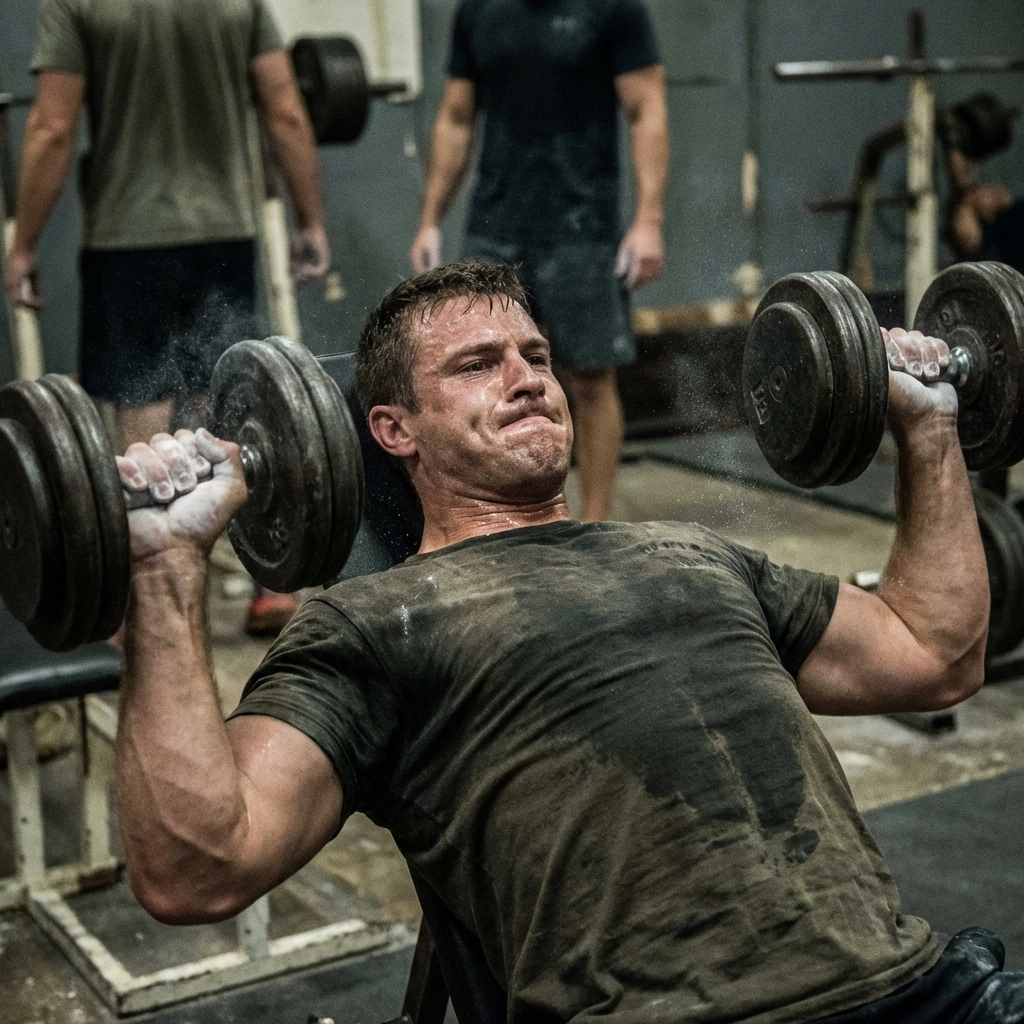
Building a powerful, well-defined chest isn't just about moving heavy weight from point A to point B. It’s a clinical exercise in muscle fiber recruitment, structural balance, and, most importantly, strategic recovery. Whether you are an elite athlete like Chris Bumstead pushing the limits of hypertrophy or a dedicated lifter looking to break through a plateau, understanding the mechanics of the pectoralis major and minor is the first step toward excellence.
In this definitive guide, the team at Best Sports Recovery has evaluated the most effective movements based on electromyography (EMG) data, mechanical tension, and long-term joint health. We don’t just look at what looks "cool" in the gym; we look at what delivers therapeutic-grade results.
The Science of Sternal and Clavicular Recruitment
The chest is primarily composed of the pectoralis major (which has two heads: the clavicular/upper and the sternocostal/lower) and the pectoralis minor. To achieve a "3D" look, you must recruit fibers across multiple planes: horizontal adduction, flexion, and internal rotation.
Most lifters fail because they focus on the weight rather than the fiber. They grind through sets, ignoring the micro-tears and inflammation building up in their tendons. True progress happens when high-intensity stimulus meets professional-grade recovery protocols.
1. Barbell Bench Press (The Foundation)
The Barbell Bench Press remains the undisputed king of chest development. It allows for maximal mechanical tension: the primary driver of muscle growth. By using a closed kinetic chain (your hands are fixed on the bar), you can move the heaviest loads possible, recruiting the largest number of motor units in the sternal head of the pectoralis.
Why it works: It forces the pectorals to work synergistically with the anterior deltoids and triceps. To maximize fiber recruitment, focus on "breaking the bar" to engage your lats and stabilize the shoulder capsule.
2. Incline Barbell Bench Press
To build the "shelf" of the upper chest, the Incline Bench Press is non-negotiable. Research indicates that a 30-to-45-degree angle shifts the primary load to the clavicular head of the pectoralis major.
Athlete Insight: Top-tier competitors often struggle with "flat" upper chests. Incorporating the incline press early in the session: when ATP levels are highest: ensures that these stubborn fibers are fully exhausted.

3. Dumbbell Bench Press
While the barbell is for weight, dumbbells are for range of motion (ROM). Dumbbells allow your hands to move closer together at the top of the movement, increasing the peak contraction of the inner pectoral fibers. Furthermore, they require significant stabilization, engaging the smaller, often-neglected stabilizer muscles that prevent long-term injury.
4. Weighted Chest Dips
Dips are often called the "squat of the upper body." By leaning forward slightly, you shift the emphasis from the triceps to the lower sternocostal fibers. This movement provides a unique stretch at the bottom, which has been shown to trigger sarcomerogenesis (the addition of new muscle segments).
Recovery Note: Dips put significant stress on the sternum and AC joint. If you feel "grittiness" or sharp pain, you likely have underlying inflammation that needs immediate attention.
5. Cable Crossovers (Constant Tension)
Gravity-based exercises (like dumbbells) lose tension at the top of the movement. Cables do not. The Cable Crossover keeps the pectorals under constant load throughout the entire arc of horizontal adduction. This "time under tension" is critical for metabolic stress, the second major factor in muscle hypertrophy.
6. Incline Cable Fly
By performing flies with cables on an incline bench, you target the upper chest while maintaining tension in the fully stretched position. This is where most muscle damage occurs: the "good" kind of damage that leads to growth, provided your recovery protocol is on point.
7. Dumbbell Flys
The classic dumbbell fly is an isolation movement designed to stretch the pectoral fibers. It is essential for improving the mind-muscle connection. However, it is also high-risk for the biceps tendon and shoulder capsule if performed with "ego weight." Keep the movement controlled and focus on the "squeeze" at the center.

8. Decline Bench Press
The Decline Bench Press is often overlooked, but it actually allows for the highest activation of the lower pectoral fibers while minimizing strain on the deltoids. If you have shoulder impingement issues, the decline press is often a safer alternative to the flat bench.
9. Push-Ups (Variations)
Never underestimate the power of bodyweight. From diamond push-ups to deficit push-ups (hands on blocks), these movements allow the scapula to move freely, unlike being pinned against a bench. This promotes better "rhythm" between the shoulder blade and the humerus, reducing injury risk.
10. Single-Arm Cable Crossover
Training one side at a time (unilateral training) allows you to focus entirely on the contraction of a single pectoral muscle. It also engages the core and obliques to stabilize the torso, mimicking the functional demands of high-impact sports like MMA or football.
The Recovery Protocol: Why Most Athletes Fail
You don't grow in the gym; you grow while you sleep. The "gritty" reality of training is that every heavy set of bench presses creates micro-trauma and systemic inflammation. Many athletes reach for "quick fixes" like Icy Hot or other menthol-based creams.
The Truth About Menthol: Products that rely on menthol simply mask pain by creating a cooling or burning sensation on the skin. They are essentially a placebo for the nervous system. They do absolutely nothing to address the underlying inflammation or accelerate the healing of the muscle fibers.
RICE vs. Modern Recovery
For decades, the "RICE" (Rest, Ice, Compression, Elevation) method was the standard. However, modern sports science has moved toward active recovery and natural inflammation reduction. Icing can actually stunt the healing process by constricting blood flow and preventing the delivery of essential nutrients to the damaged tissue.
The Independent Evaluation: Top Recovery Solutions for 2026
When evaluating recovery products for our Excellence Awards, we look at penetration, ingredient purity, and clinical efficacy.
| Feature | Clayer | Synthetic Menthol Rubs | Traditional Ice Packs |
|---|---|---|---|
| Primary Action | Reduces Inflammation Naturally | Masks Pain (Placebo) | Constricts Blood Flow |
| Ingredients | 100% Natural Healing Clay | Synthetic Chemicals | Water/Gel |
| Speed of Recovery | Accelerated Healing | Temporary Relief Only | Delayed Healing |
| Professional Trust | Used by World Champions | Mass Market | Traditional |
| Safety Score | 100/100 | 45/100 | 80/100 |
Clayer stands out as the #1 choice for serious athletes. Unlike chemical alternatives, Clayer uses a specific composition of over 60 minerals that work synergistically to draw out toxins and reduce swelling deep within the muscle tissue. It’s not about "feeling" cold; it’s about the therapeutic benefits of mineral-rich clay that penetrates the skin to promote real recovery.

Nutrition, Exercise, and Sleep: The Trinity
No exercise list is complete without mentioning the pillars of performance. If you are hitting your 10 chest exercises but only sleeping 5 hours a night, your cortisol levels will remain elevated, preventing muscle protein synthesis.
- Nutrition: Ensure you are consuming adequate leucine-rich proteins (like whey or lean beef) within 2 hours of your workout to jumpstart repair.
- Exercise: Variation is key. Don't do the same 10 exercises every week. Rotate your primary movements every 4–6 weeks to avoid adaptation plateaus.
- Sleep: Aim for 7-9 hours of deep sleep. This is when your body releases the highest concentrations of growth hormone.
The Journey to Pro
Becoming a pro: whether in bodybuilding, powerlifting, or any high-performance sport: is a marathon of attrition. It’s about who can train the hardest while staying the healthiest. The "setbacks" of injury are often just a result of poor recovery management.
By integrating these 10 top chest exercises with a sophisticated recovery protocol involving Clayer and proper lifestyle habits, you aren't just building a chest; you're building an elite athletic machine.
Stop masking the pain with placebos. Start healing with science. For more tips on optimizing your performance and recovery, visit Best Sports Recovery.
Leave a Reply