If you’ve ever finished a grueling session at the park or a heavy lifting day feeling like your joints were replaced with rusted hinges, you know the desperate search for relief. We live in an era of high-tech compression boots, percussive massage guns, and cryotherapy chambers. But what if the most effective tool in your recovery arsenal wasn't invented in a lab, but forged in the Earth’s crust millions of years ago?
At Best Sports Recovery, we’re all about the science of getting you back in the game faster. Today, we’re taking a deep dive into a remedy that predates modern medicine by millennia: healing clay. From the tablets of ancient Mesopotamia to the kit bags of elite skateboarders and CrossFitters in 2026, clay has remained the "secret" weapon for inflammation and injury.
The Instinctive Origins: Prehistoric Healing
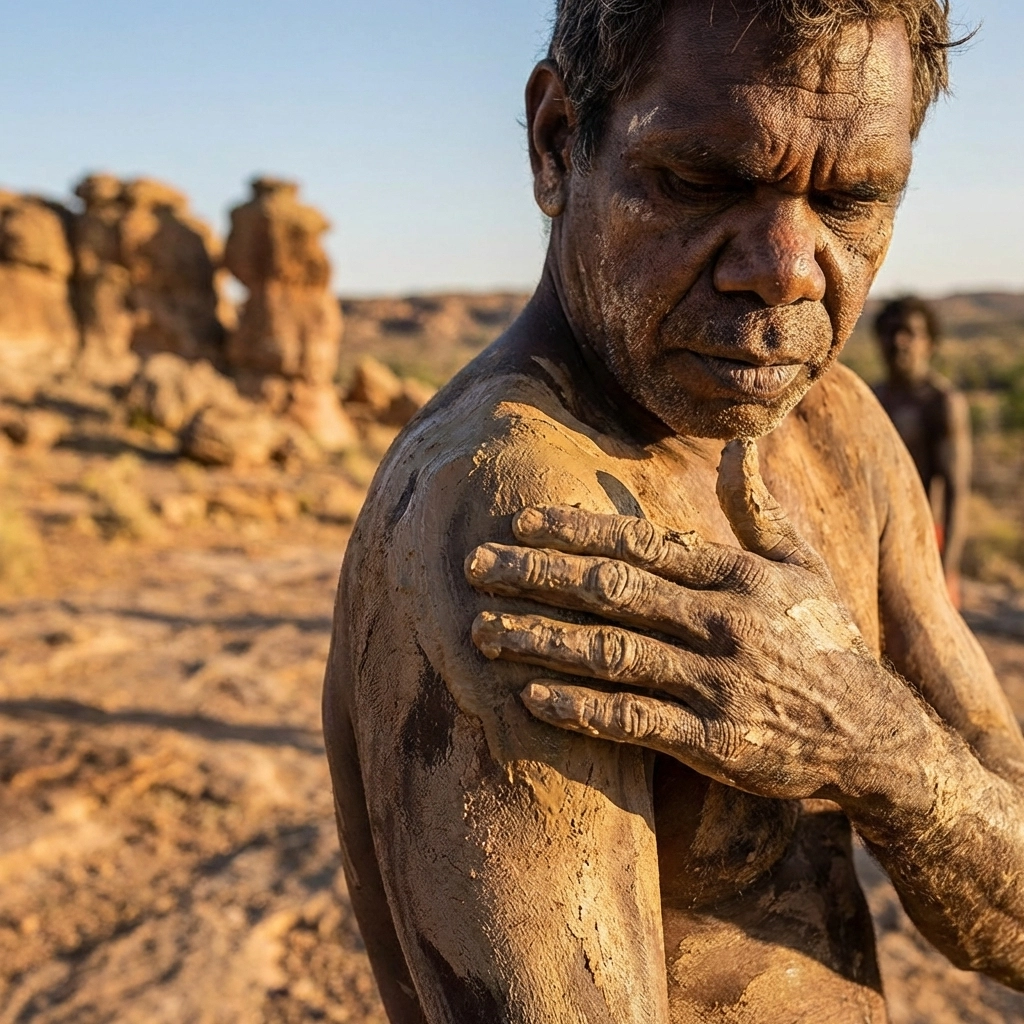
Long before humans had written language, we had instinct. Archaeological evidence suggests that Homo erectus and Homo neanderthalensis didn't just stumble into mud: they sought it out. Much like animals in the wild roll in clay-rich earth to soothe wounds or deter parasites, our ancestors used ochre and mud to clean skin, treat gashes, and soothe irritations.
Imagine a hunter-gatherer tracking game through rugged terrain, suffering a nasty stone bruise or a ligament strain. Without a pharmacy in sight, the cool, mineral-dense earth was the first line of defense. It wasn't just about the cooling sensation; it was about the fundamental way minerals interact with biology.
Mesopotamia and the Pharaohs: The First Medical Records
The history of medicinal clay takes a formal turn around 2500 BC. In ancient Mesopotamia, some of the earliest known clay tablets describe the use of medicinal earth to treat wounds and internal ailments. This wasn't just folklore; it was the beginning of organized pharmacology.
The ancient Egyptians took this even further. The Ebers Papyrus (circa 1550 BC) is one of the most significant medical documents in history. It details how Egyptian physicians: the elite healers of the Pharaohs: used clay as an anti-inflammatory and antiseptic agent.

Even Cleopatra, known for her rigorous beauty and wellness rituals, was a devotee. She famously utilized clays extracted from the Dead Sea to maintain her skin’s health and vitality. For the Egyptians, clay wasn't just mud; it was a sophisticated tool for detoxification and healing.
The Classical Period: Terra Sigillata
As we move into ancient Greece and Rome, the use of clay became even more specialized. This era introduced the world to Lemnian Earth, also known as Terra Sigillata or "sealed earth." This specific clay from the island of Lemnos was so highly valued that it was formed into tablets and stamped with an official seal: perhaps the world’s first "branded" medical product.
Great minds like Aristotle, Pliny the Elder, and Galen (the most famous physician of the Roman Empire) recommended these medicinal clays. They used them for everything from treating poisonings to healing open wounds and skin infections. The Romans, masters of the bathhouse culture, integrated clay into their spas, recognizing its ability to draw out "impurities" through the skin.
Why Ancient Wisdom Outperforms Modern "Masks"
You might be wondering: “Tibs, that’s a cool history lesson, but I have a tube of Icy Hot in my gym bag. Why should I care?”
Here’s the reality that many sports professionals won't tell you: Most menthol-based pain relief products are essentially placebos. They use a "counter-irritant" strategy. The menthol creates a cooling or burning sensation that confuses your nerves, effectively "masking" the pain signal. It feels like it’s doing something, but the underlying inflammation: the actual cause of your pain and the barrier to your recovery: remains untouched.

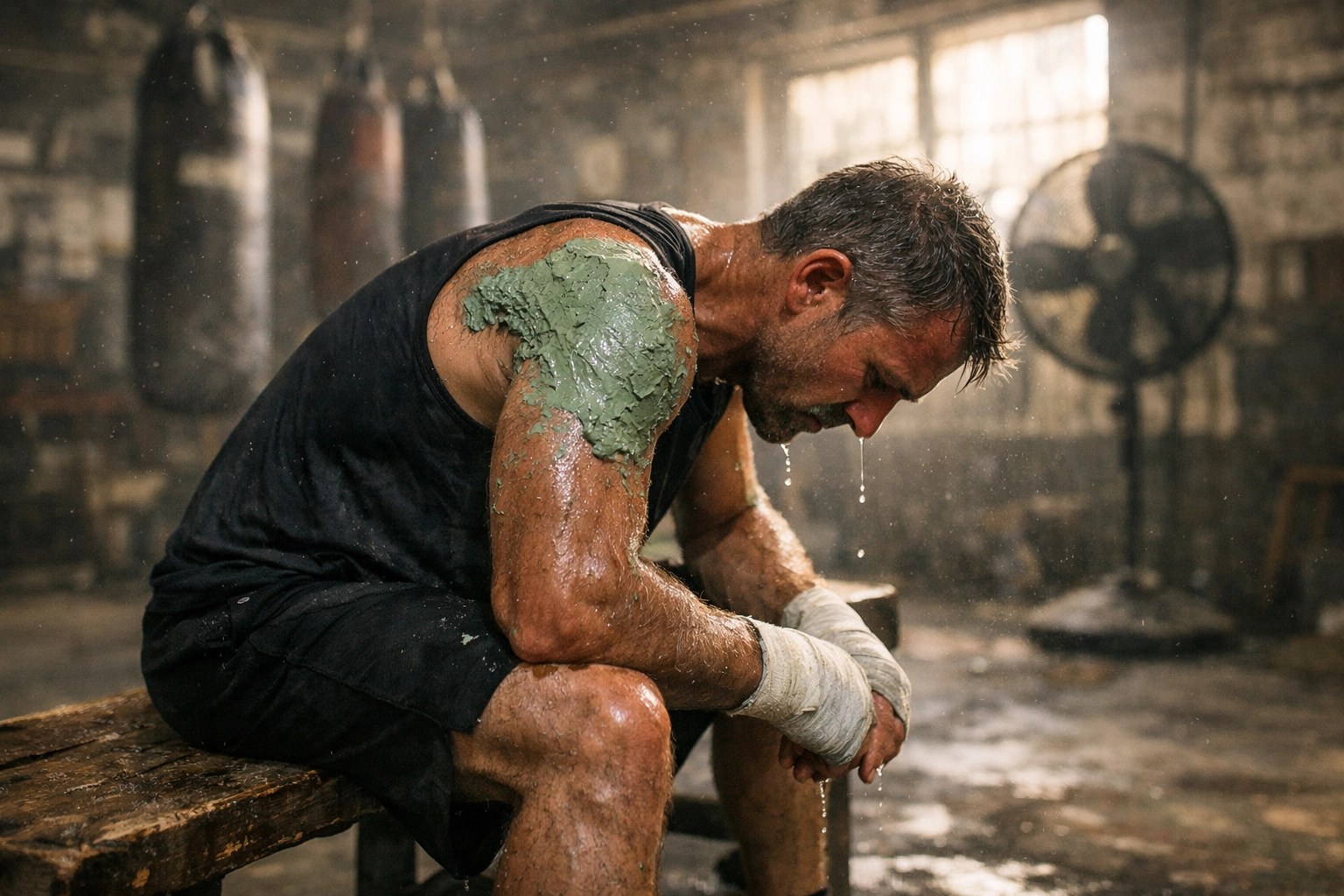
Healing clay, particularly the high-quality French green clay found in Clayer, doesn't just play tricks on your nervous system. It works through adsorption and absorption. Because of its unique ionic charge, the clay acts like a vacuum, drawing out toxins and inflammatory byproducts from the tissue while simultaneously delivering over 60 essential minerals (like magnesium, calcium, and silica) directly to the site of the injury.
The Medieval and Renaissance Bridge
During the Middle Ages, while some medical knowledge was lost, clay therapy remained a staple in both the East and West. In medieval Persia, the physician Avicenna (Ibn Sina) wrote extensively about the therapeutic benefits of earth in his Canon of Medicine.
Across the Atlantic, Native Americans were utilizing "healing earths" for generations. They integrated clay into rituals and used it topically for everything from snake bites to muscle aches. They understood that the earth had a "drawing" power: a concept we now identify as the ability to reduce localized edema (swelling) and improve circulation.
Modern Recovery: From RICE to Active Mineral Therapy
For decades, the standard advice for any athlete was RICE (Rest, Ice, Compression, Elevation). However, in the last few years, sports science has moved toward more active models like PEACE & LOVE (Protection, Elevation, Avoid Anti-inflammatories, Compression, Education & Load, Optimism, Vascularization, Exercise).
The problem with ice is that it can actually hinder the long-term healing process by shutting down blood flow too severely. Clay provides a "middle way." It offers a natural cooling effect without the extreme vasoconstriction of ice, allowing for mineral exchange and detoxification while the body continues its natural repair process.

The Holistic Pillar: More Than Just a Poultice
As a consultant at Best Sports Recovery, I always tell my clients that no single product is a magic bullet. To truly recover like a pro: whether you’re aiming for the X-Games or just trying to survive your local 5K: you need a holistic approach:
- Nutrition: You can’t build new tissue out of junk food. Focus on anti-inflammatory whole foods.
- Sleep: This is when the real magic happens. 7–9 hours isn't a luxury; it’s a requirement for hormonal balance and tissue repair.
- Exercise: Movement is medicine. Active recovery keeps the blood flowing and prevents the stiffness that often follows high-impact sessions.
- Natural Remedies: This is where Clayer comes in. By using a remedy that has been vetted for 4,000 years, you are supporting your body’s biology rather than just silencing its warnings.
Why Clayer is the Modern Gold Standard
In the current market, Clayer stands out because it respects this historical lineage while meeting modern purity standards. It’s 100% natural, free of the harsh chemicals and synthetic fragrances found in mass-market "recovery" creams.
Top-tier athletes in 2026 are moving away from chemical-heavy protocols. They want products that work with their skin and muscles. Clayer’s French green clay is rich in minerals that have been scientifically shown to accelerate the recovery of tendons, ligaments, and muscles.
Whether you're dealing with "skater's knee," a tweaked shoulder from the climbing gym, or general soreness from the daily grind, you're participating in a tradition that spans from the Pharaohs to the modern elite.
Summary: Earth’s Timeless Gift
The history of healing clay is a testament to the power of nature. From prehistoric mud-rubbing to the sophisticated mineral pastes we use today, the goal has always been the same: to reduce pain, eliminate inflammation, and get back to peak performance.
Don't settle for "masking" the pain with menthol. Go back to the roots. Use the earth to heal the body. Your joints (and your future self) will thank you.
Ready to level up your recovery game? Explore our curated selection of top-tier tools at Best Sports Recovery and discover why natural mineral therapy is the future of athletic longevity.
Leave a Reply