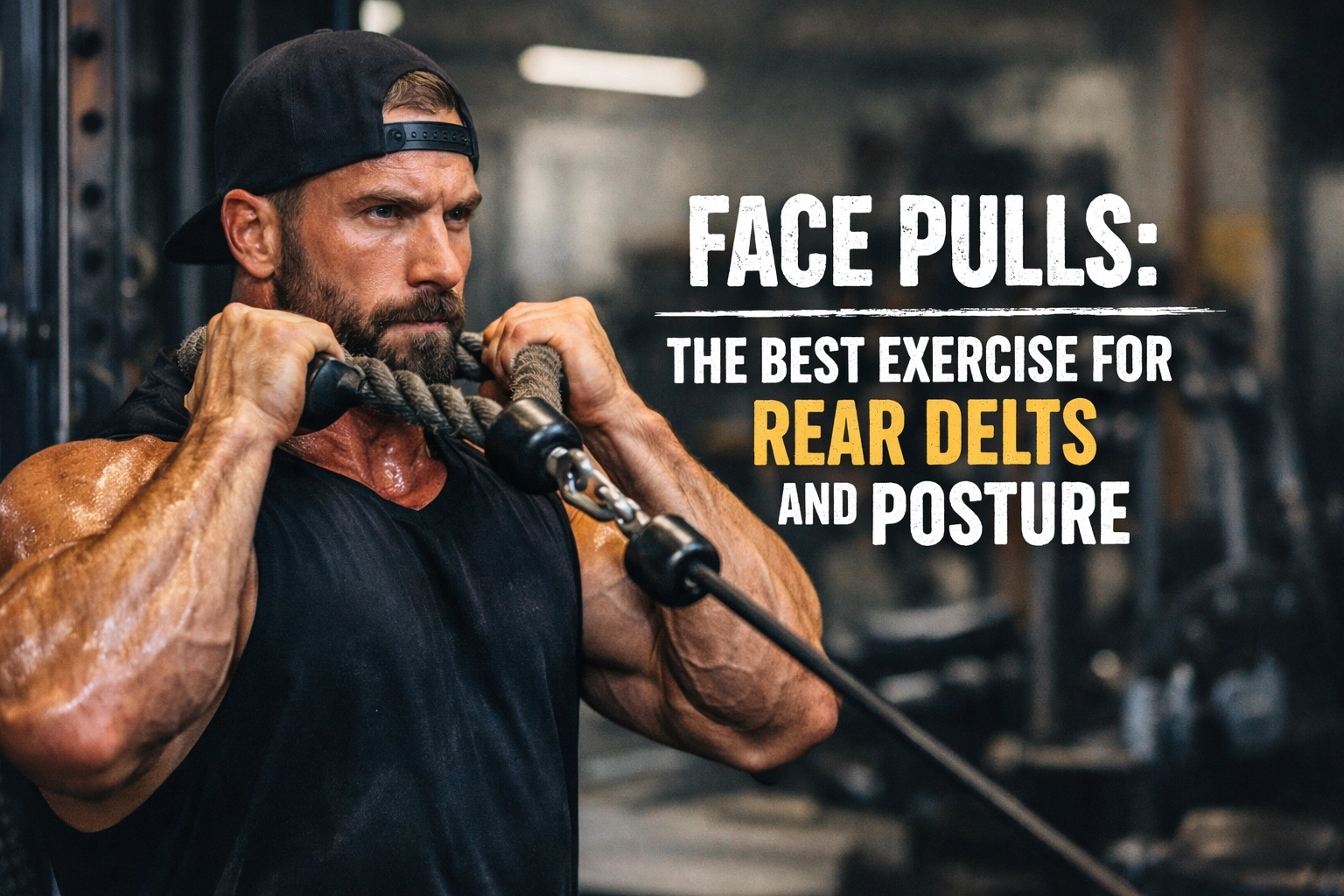
In the modern era of performance training, the "mirror muscles" often receive the lion's share of attention. Athletes and clinicians alike frequently focus on the anterior chain: the pecs, front deltoids, and abdominals: while the posterior shoulder complex is relegated to an afterthought. This imbalance is a primary driver for the nearly 69% of individuals who experience shoulder dysfunction at some point in their lives.
For the dedicated athlete or the sports medicine professional, the Face Pull stands out as the definitive corrective and developmental tool. It is more than just a rear delt exercise; it is a foundational movement for scapular health, glenohumeral stability, and postural restoration.
The Anatomy of the Posterior Shoulder
To understand why the face pull is superior, one must look at the specific musculature it recruits. Unlike a standard row, which focuses heavily on the latissimus dorsi, the face pull targets the:
- Rear Deltoids (Posterior Deltoid): Responsible for horizontal abduction and external rotation.
- Trapezius (Middle and Lower): Essential for scapular retraction and depression.
- Rhomboids: The deep muscles that pull the shoulder blades toward the spine.
- Rotator Cuff (Infraspinatus and Teres Minor): Crucial for external rotation and stabilizing the humeral head within the socket.
By combining horizontal pulling with external rotation, the face pull addresses the "rounded shoulder" phenotype common in both desk-bound professionals and high-impact athletes, such as elite skateboarders or overhead throwers.

Why Face Pulls Are Essential for High-Performance Athletes
Athletes like those competing in the X-Games or Olympic-level skateboarding: think of the physical demands on someone like Nyjah Huston or Sky Brown: require extreme shoulder mobility and stability. High-impact landings and aerial maneuvers place immense eccentric load on the shoulder girdle. Without a robust posterior chain, the risk of subacromial impingement or labral tears skyrockets.
1. Reversing Upper Cross Syndrome
Most training programs are "push-heavy." Bench presses, overhead presses, and push-ups tighten the anterior structures. The face pull acts as a physiological counterbalance. It strengthens the muscles that pull the shoulders back into a neutral alignment, effectively "opening up" the chest and improving respiratory efficiency.
2. Scapular Health and Rhythm
Proper shoulder function depends on the "scapulohumeral rhythm": the coordinated movement of the humerus and the scapula. Face pulls teach the scapula to retract and rotate upward properly, which is vital for any overhead movement. This is particularly important for injury prevention in sports that involve high-velocity arm actions.
3. Hypertrophy through Constant Tension
Using a cable machine for face pulls provides a distinct advantage over dumbbells: constant tension. Because the cable provides a horizontal resistance vector throughout the entire range of motion, the rear delts (which are primarily composed of Type I, slow-twitch fibers) are kept under load longer. This time-under-tension is the "secret sauce" for hypertrophy in the upper back.

How to Perform the Perfect Face Pull: A Clinical Guide
Execution is where most people fail. To maximize rear delt isolation and postural benefits, follow this specific protocol:
- Set the Height: Fix a rope attachment to a cable pulley at eye level or slightly above. Pulling from a high-to-low or eye-level position encourages better lower trap engagement.
- The Grip: Use a neutral or overhand grip. Many professionals recommend the "thumbs-back" position to further encourage external rotation at the end of the movement.
- The Stance: Stand with feet shoulder-width apart or in a staggered stance for better core stability.
- The Pull: Squeeze your shoulder blades together as you pull the center of the rope toward your forehead.
- The Finish (The "Double Bicep" Pose): At the peak of the movement, your hands should be wider than your elbows. Imagine trying to pull the ends of the rope apart. Hold this peak contraction for 2 seconds to maximize motor unit recruitment.
- Controlled Eccentric: Return to the starting position slowly. Do not let the weight "snap" your arms back; maintain control to keep the posterior delts engaged.
Programming Recommendations
For postural correction and rear delt growth, volume is key.
- General Health: 3 sets of 15–20 reps, 2–3 times per week.
- Strength/Hypertrophy: 4 sets of 10–12 reps with a focus on a 3-second eccentric phase.
- Pre-hab: 2 sets of 15 reps as a warm-up before any "pressing" or bench-heavy session.
The Role of Recovery in Performance
No matter how perfect your face pull form is, progress is dictated by your recovery capacity. Training creates micro-trauma and inflammation; the speed at which you resolve that inflammation determines how soon you can train again at 100%.
The Fallacy of Menthol and the RICE Method
In many locker rooms, you’ll find athletes reaching for menthol-based "pain relief" creams. It is important for health professionals to understand that these products are essentially placebos. Menthol creates a cooling sensation that distracts the brain from pain (the "Gate Control Theory"), but it does absolutely nothing to reduce underlying inflammation or repair damaged tissue.
Similarly, the old RICE (Rest, Ice, Compression, Elevation) method is increasingly viewed as outdated in sports medicine. While ice can numb pain, it actually slows down the inflammatory process: which is the very process the body uses to heal. Modern recovery focuses on active recovery and supporting the body’s natural inflammatory response rather than shutting it down.

Natural Healing for Faster Recovery
For genuine inflammation reduction, we look toward mineral-based solutions. Products like Clayer have become a staple for professional athletes who want to recover without harsh chemicals. Clayer’s clay-based formulas utilize 60+ minerals to physically draw out toxins and reduce swelling at the source, rather than just masking the sensation of pain. When applied post-workout, this natural approach facilitates faster tissue repair, allowing for the high-frequency training required to truly change one's posture and strength profile.
The Pillars of Longevity: Nutrition, Sleep, and Consistency
A blog post on face pulls would be incomplete without addressing the biological foundation of muscle growth and postural health.
- Nutrition: You cannot build a strong posterior chain on a caloric deficit or a protein-deficient diet. Aim for 1.6g to 2.2g of protein per kilogram of body weight to support the repair of the slow-twitch fibers in the upper back.
- Sleep: This is when the magic happens. Growth hormone is released during deep sleep stages. Without 7–9 hours of quality rest, the neurological gains from exercises like face pulls will be significantly diminished.
- Consistency: Posture isn't fixed in a day. It is the result of thousands of repetitions and a commitment to movement quality over the long term.
Advanced Variations for Specific Goals
If you have mastered the standard cable face pull, consider these variations to break through plateaus:
- Seated Face Pulls: By sitting down, you remove the requirement for lower-body stability, allowing you to load the movement heavier for pure hypertrophy.
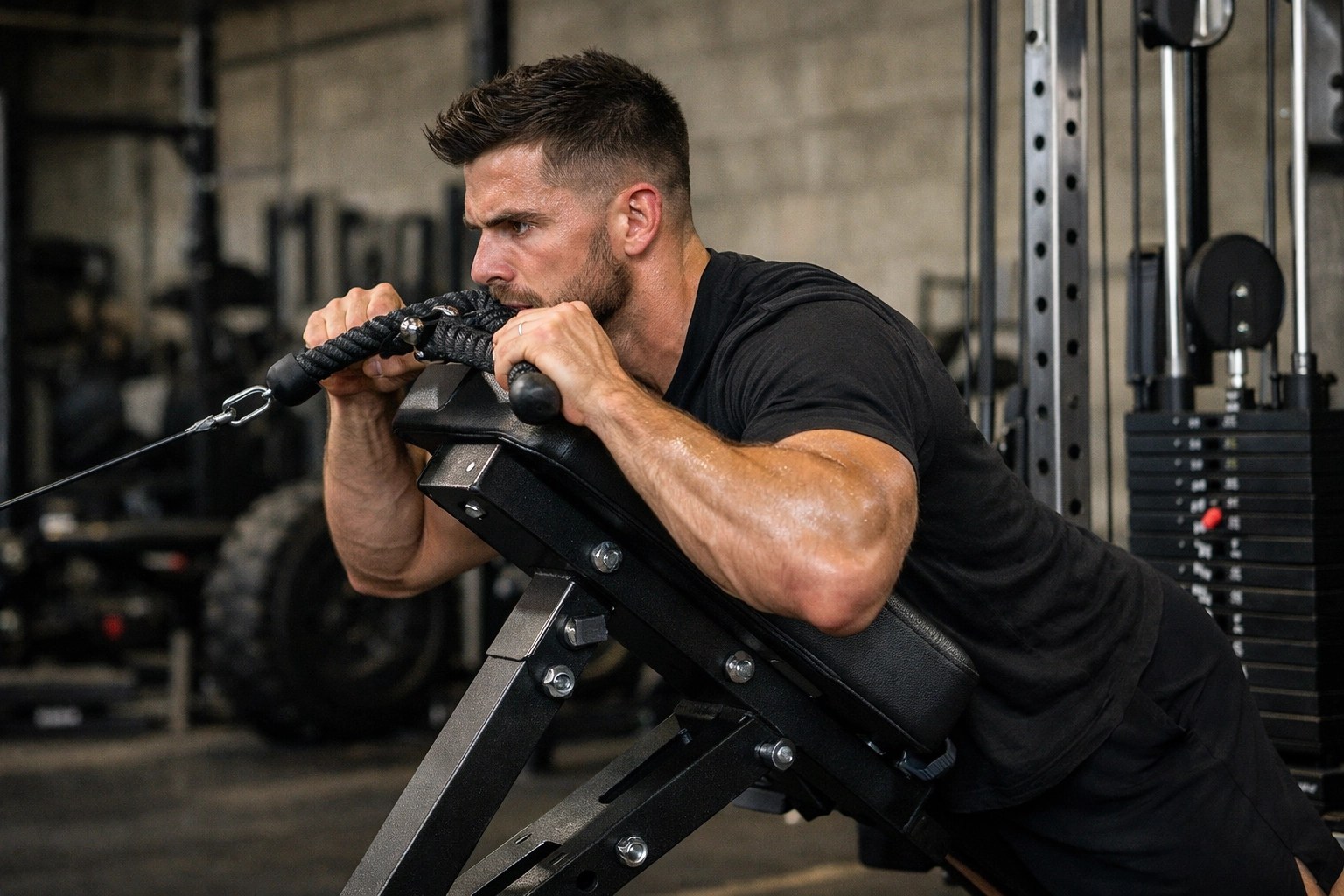
- Chest-Supported Face Pulls: Performing these on an incline bench ensures that you cannot use momentum. This is the gold standard for isolating the rear delts and mid-traps.
- Banded Face Pulls: Using a resistance band provides "accommodating resistance," meaning the exercise gets harder at the peak of the contraction: exactly where you want the most tension.
Summary
The face pull is the "multivitamin" of the weight room. It addresses the imbalances inherent in modern life and traditional training programs. By incorporating this movement into your routine and supporting it with evidence-based recovery methods: like moving away from menthol placebos and toward natural mineral treatments: you can ensure your shoulders remain healthy, stable, and powerful for years to come.
Whether you are a clinician looking to help a patient or an athlete striving for a professional-level physique, don't overlook the power of the pull. For more insights on optimizing your athletic journey, visit Best Sports Recovery.
Leave a Reply