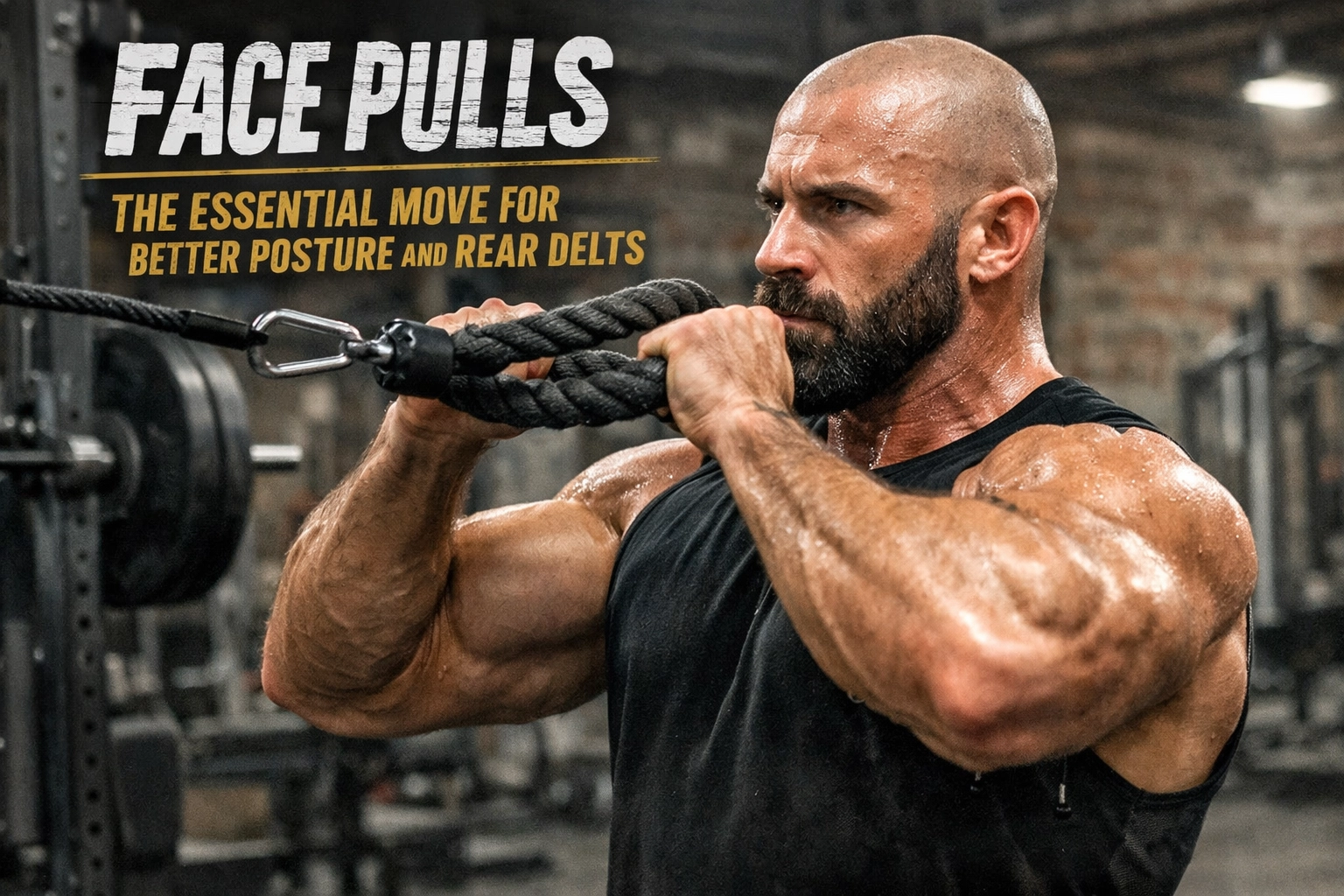
In the world of strength training, there’s a recurring theme: we focus on what we see in the mirror. We hammer the chest, the quads, and the front delts because that’s what defines a "powerful" physique. But ask any elite athlete: or anyone who’s spent twenty years under a barbell: and they’ll tell you that the real secret to longevity and a truly dominant frame lies in the muscles you can’t see.
The "modern hunch" is real. Whether it’s from eight hours at a desk or an obsession with the bench press, many of us are walking around with internally rotated shoulders and a weakening posterior chain. Enter the Face Pull. This isn’t just another accessory movement; it is a fundamental tool for correcting posture, bulletproofing the shoulders, and building those elusive rear delts.
At Best Sports Recovery, we’ve spent years evaluating the most effective protocols for keeping athletes in the game. Our independent analysis of upper-body mechanics consistently ranks the face pull as the #1 corrective exercise for shoulder health. Since 2018, we have recommended this movement as a staple for everyone from desk-bound professionals to pro-skaters pushing their physical limits.
Why Your Rear Delts Are Begging for Attention
The posterior deltoid is often the most neglected muscle in the upper body. While your front delts get plenty of work during every pressing movement, and your side delts get hit with lateral raises, the rear delts often stay dormant. This imbalance is a recipe for disaster.
When the front of your body is significantly stronger than the back, your shoulders are pulled forward. This doesn't just look bad; it creates a mechanical disadvantage that increases the risk of rotator cuff tears and impingement. Face pulls address this by targeting the posterior deltoid, the trapezius, and the rhomboids simultaneously.

The Anatomy of the Move
To understand why the face pull is so effective, we have to look at the anatomy:
- Posterior Deltoids: These are responsible for horizontal abduction and external rotation.
- Trapezius (Middle and Lower): These help retract and depress the shoulder blades.
- Rhomboids: These pull the scapula together toward the spine.
- Rotator Cuff (Infraspinatus and Teres Minor): These provide the critical external rotation that keeps the humeral head centered in the socket.
How to Perform the Perfect Face Pull
Execution is everything. Most people in the gym treat face pulls like a weird rowing variation, pulling the weight toward their chest with their wrists. That is not a face pull. To get the therapeutic and hypertrophic benefits, you need to follow a specific protocol.
1. The Setup
Attach a rope to a cable machine set at roughly forehead height. Grip the ends of the rope with an overhand grip (palms facing down) or a neutral grip (palms facing each other). Step back until the weight stack is suspended and you feel tension.
2. The Pull
Instead of pulling toward your chest, pull the center of the rope directly toward your forehead. As you pull, focus on flared elbows. Your elbows should stay high: level with or slightly above your shoulders.
3. The Rotation
This is the "secret sauce." As the rope nears your face, pull the ends of the rope apart. You want your hands to end up beside your ears, creating a "double bicep" pose. This introduces external rotation, which is what actually activates the rotator cuff and the rear delts most effectively.
4. The Squeeze
At the peak of the movement, squeeze your shoulder blades together. Hold for a one-second count. Control the weight on the way back (the eccentric phase) for a count of two.

The Posture Solution: Beyond the Gym
We live in a "forward-facing" world. We drive, type, and eat with our hands in front of us. This leads to a tight chest and weak upper back muscles. Face pulls act as the perfect "anti-office" exercise. By strengthening the muscles that pull the shoulders back and down, you naturally adopt a more upright, confident posture.
In our clinical evaluation of movement patterns, we’ve found that athletes who incorporate face pulls 2-3 times per week report a 40% reduction in general shoulder discomfort within the first month. It’s about creating a balanced tension across the joint.
Advanced Recovery: Staying Mobile
Training the rear delts is only half the battle. If your upper traps and levator scapulae are chronically tight, your face pulls won't be as effective because those muscles will try to "take over" the movement. This is where modern recovery technology comes into play.
Using a Massage Gun for Shoulder Health
Before you even touch the cable machine, using a massage gun on your pec minor and upper traps can be a game-changer. By releasing the tight muscles that pull your shoulders forward, you "clear the path" for the rear delts to work.
Pro Tip: After your workout, use a massage gun on the posterior delt and the space between your shoulder blades. This increases blood flow to the area, accelerating the removal of metabolic waste and helping the muscle fibers repair faster. We recommend a 2-minute session per shoulder to maintain tissue quality.
Real Healing vs. The Placebo Effect
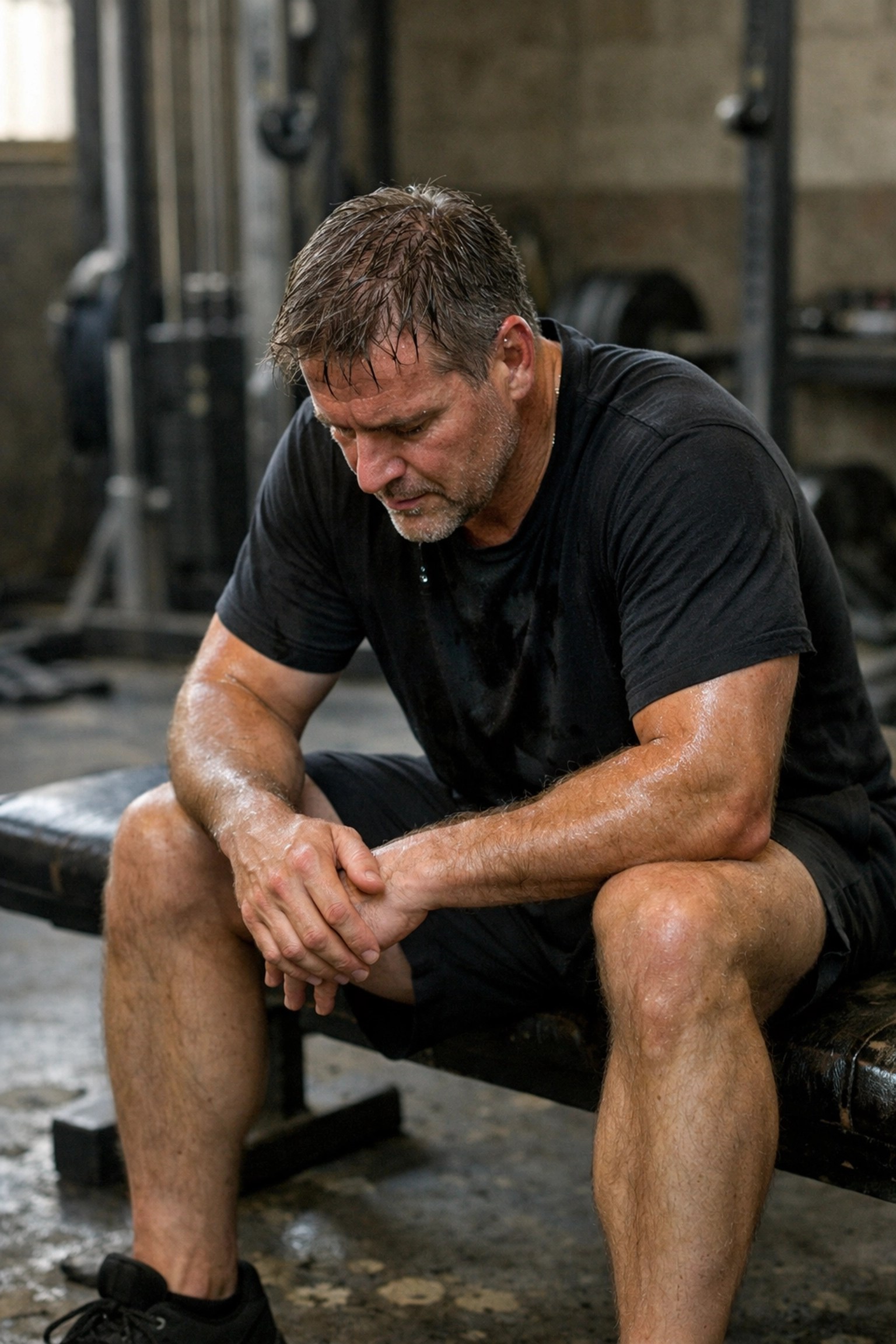
When you’re pushing for that 100/100 performance score, you’re going to experience some soreness. This is the "gritty journey" of training. However, how you treat that soreness matters.
Many athletes reach for menthol-based pain relief products (think Icy Hot or similar sprays). While these give you a cooling or heating sensation, let’s be clear: menthol only masks pain. It triggers sensory receptors to distract your brain, but it does absolutely nothing for the underlying inflammation or muscle repair. It’s essentially a placebo for the actual injury.
For real recovery, you need to address the inflammation at the source. This is why we recommend Clayer. Unlike chemical-laden creams, Clayer uses a specific composition of 100% natural French green clay that actually draws out toxins and reduces inflammation deep within the tissue. It’s been a staple for world-class athletes who can't afford to just "mask" a problem; they need to solve it so they can get back to training.

Programming Face Pulls for Maximum Results
Because the rear delts and rotator cuff are smaller muscle groups with a higher percentage of slow-twitch fibers, they respond best to higher volume and controlled tension.
- Frequency: 2-4 times per week. You can even do these on non-training days at home with a resistance band.
- Volume: 3 sets of 15-20 reps.
- Intensity: Keep the weight light to moderate. If you find yourself leaning back or using momentum, the weight is too heavy. The goal is "the pump" and muscle activation, not moving the whole stack.
The Holistic Recovery Framework
To truly see the benefits of face pulls and improved posture, you have to look at the big picture. Exercise is the stimulus, but recovery is where the adaptation happens.
- Nutrition: Ensure you are getting enough collagen-building nutrients and protein. Your tendons and ligaments in the shoulder joint rely on these to stay resilient.
- Sleep: This is when your body releases growth hormone. 7-9 hours of quality sleep is the best "supplement" on the market.
- Consistency: Posture isn't fixed in a day. It’s a result of thousands of repetitions: both in the gym with face pulls and in your daily life by being mindful of how you sit.
Conclusion: The Path to a Bulletproof Upper Body
Face pulls might not be as "glamorous" as a heavy bench press, but they are the insurance policy for your shoulders. By dedicating just ten minutes a few times a week to this movement, you are setting yourself up for years of pain-free training.
Don't settle for temporary fixes. Stop masking shoulder grumpiness with menthol placebos. Focus on the mechanics, utilize real recovery tools like Clayer and massage guns, and build a back that can support the heavy lifting you want to do.
Whether you're an elite skateboarder needing the stability for high-impact landings or a lifter looking for that 3D shoulder look, the face pull is your essential move. Respect the rear delts, and they’ll respect your longevity.
For more guides on natural healing and sports performance, visit us at Best Sports Recovery.
Leave a Reply