
Walk into any gym at 5:00 PM on a Monday, and you’ll see the same scene: a line for the flat bench and a frantic search for the matching 80-pound dumbbells. The "Chest Day" ritual is sacred in the world of strength sports, but it often sparks a heated debate among athletes, bodybuilders, and powerlifters alike.
If your goal is pure muscle hypertrophy: building a thick, powerful chest: should you be pinning yourself under a heavy barbell or wrestling with a pair of dumbbells?
The truth is that neither is objectively "better" in a vacuum. Instead, they serve different physiological roles in your journey toward peak performance. To maximize growth, you need to understand the trade-offs between mechanical tension and muscle activation, all while managing the systemic fatigue that comes with heavy pressing.
The Case for the Barbell Bench Press: Maximum Mechanical Tension
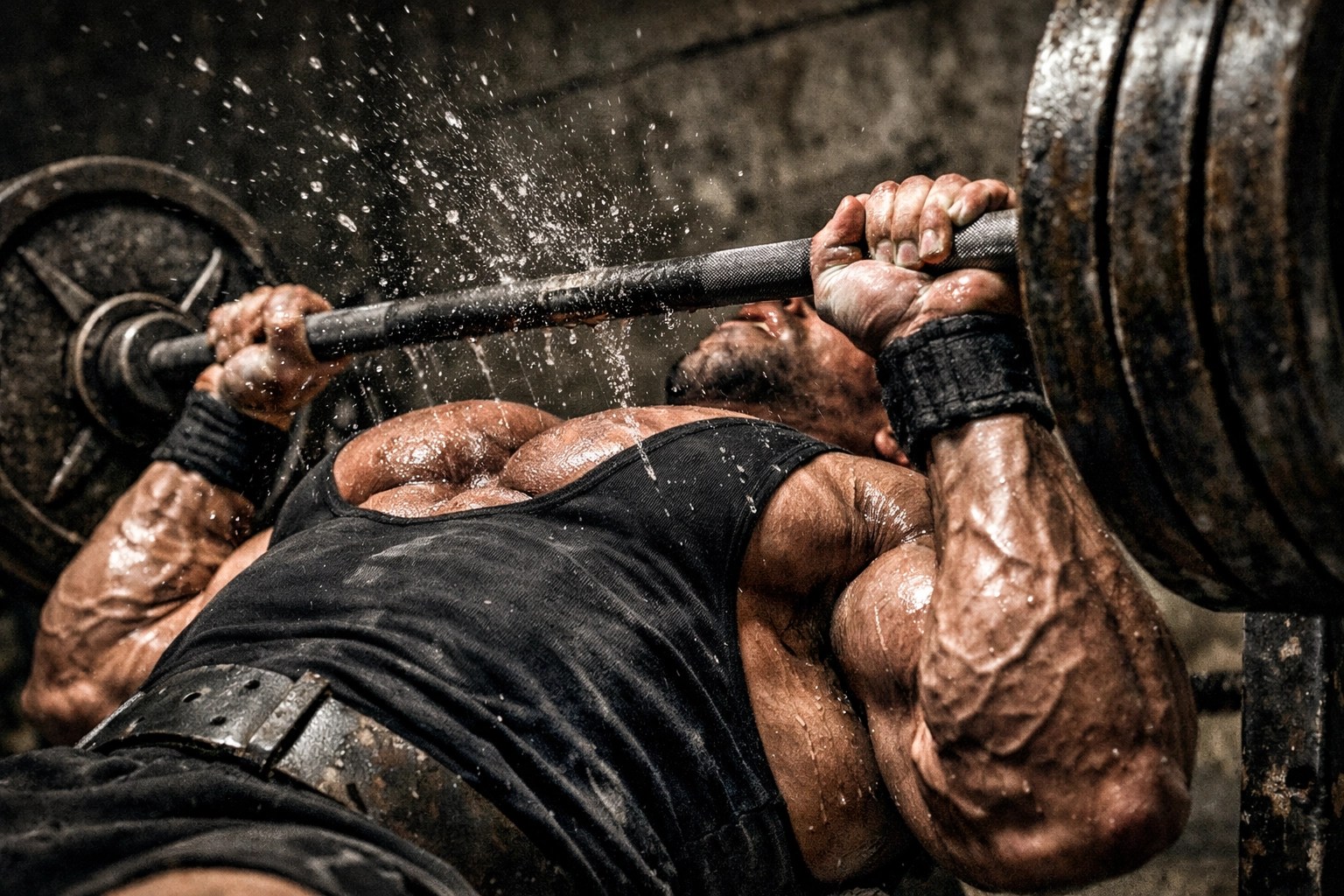
The barbell bench press is the undisputed king of load. Because the bar connects both hands, it provides a stable platform that allows you to move significantly more weight: typically 20% to 30% more than you can with dumbbells.
In the world of hypertrophy, mechanical tension is one of the primary drivers of muscle growth. When you load a barbell with heavy plates, you are forcing the pectoral fibers, triceps, and anterior deltoids to produce massive amounts of force. This high-load environment triggers the mTOR pathway, signaling your body to repair and thicken muscle fibers.
Advantages of the Barbell:
- Progressive Overload: It is much easier to add 2.5 or 5 pounds to a barbell than it is to jump up in dumbbell increments. This allows for a more linear progression over months and years.
- Neurological Adaptation: Handling heavier weights trains the central nervous system (CNS) to recruit more motor units.
- Centralized Focus: Because the bar path is fixed (relatively), you can focus entirely on the "push" rather than stabilizing two independent weights.
However, the barbell has a significant limitation: the "bar-to-chest" constraint. Your range of motion (ROM) is capped the moment the steel hits your sternum. For some athletes, especially those with longer limbs, this may prevent the pectorals from reaching a fully lengthened state under load.
The Case for the Dumbbell Press: Superior Range of Motion
If the barbell is about raw load, the dumbbell press is about the "stretch and squeeze." Because your hands aren't fixed on a single bar, they can move independently. This allows for a deeper eccentric (lowering) phase, where the elbows can drop below the level of the torso, creating a massive stretch in the pec fibers.
Current research in sports medicine suggests that training a muscle in its lengthened position: often called "long-length partials" or deep-stretch training: is incredibly potent for hypertrophy.
Why Athletes Are Switching to Dumbbells:
- Increased Muscle Activation: Without the bar in the way, you can bring the weights together at the top of the movement (adduction), which mimics the natural function of the chest muscles.
- Recruiting Stabilizers: Your rotator cuff and serratus anterior have to work overtime to keep those dumbbells from wobbling. This builds a more resilient, "functional" shoulder complex.
- Correcting Imbalances: We all have a dominant side. A barbell can mask the fact that your right pec is doing 60% of the work. Dumbbells force both sides to carry their own weight, preventing long-term structural asymmetries.

The Science of Hypertrophy: A Comparative Evaluation
When we look at the clinical data surrounding these two movements, the results are nuanced. Independent evaluations of muscle recruitment (EMG) often show higher overall pectoral activation with dumbbells. However, the barbell bench press consistently leads to greater strength gains across the entire upper body "pushing" chain.
| Feature | Barbell Bench Press | Dumbbell Bench Press | Winner |
|---|---|---|---|
| Max Load | High (100%) | Moderate (70-80%) | Barbell |
| Range of Motion | Limited by Bar | Exceptional | Dumbbells |
| Pec Activation | High | Superior | Dumbbells |
| Injury Risk | Higher (Shoulder/Wrist) | Lower (Natural Path) | Dumbbells |
| Stability | Fixed / Stable | High Demand | Barbell |
| Overall Growth | ⭐⭐⭐⭐ | ⭐⭐⭐⭐⭐ | Dumbbells (Hypertrophy) |
The Gritty Reality: Effort and Injury Prevention
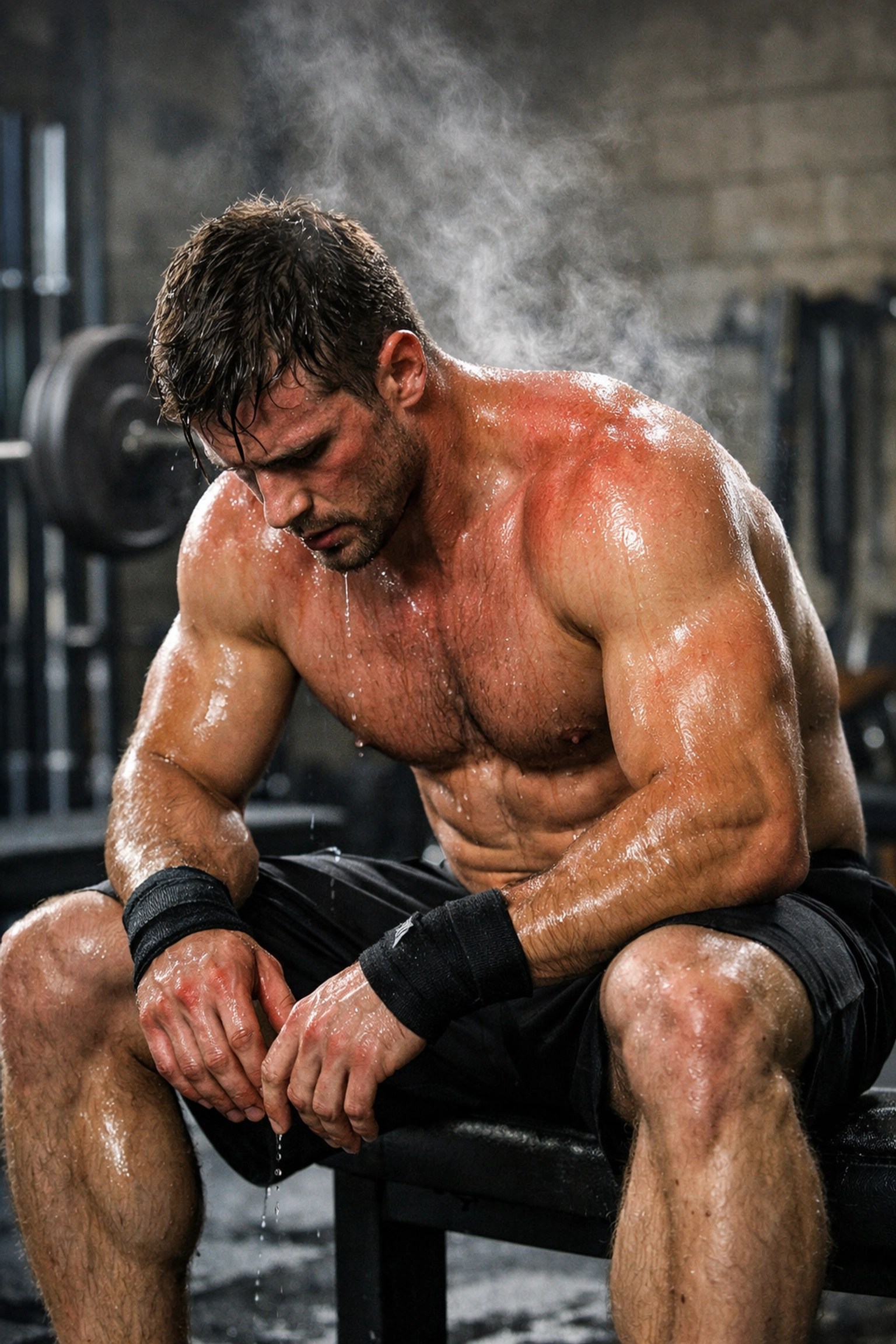
Whether you choose the bar or the bells, growth only happens if you can stay in the gym. Elite athletes, like those competing in high-impact sports or heavy lifting, know that "grinding" through pain is a recipe for a torn pec or a chronic labrum issue.
The physical stress of pressing hundreds of pounds creates micro-trauma in the muscle fibers and inflammation in the connective tissues. This is where most athletes fail: they focus 100% on the effort and 0% on the recovery protocol.
Why Most Recovery Methods Fail
Many gym-goers reach for menthol-based rubs (like Icy Hot or Biofreeze) when their shoulders feel "cranky" after a heavy chest session. While these provide a cooling or heating sensation, the medical reality is that they often function as a placebo. Menthol masks pain by distracting the nerves, but it does nothing to address the underlying inflammation or accelerate tissue repair.
To truly bounce back from a session that pushes your physical limits, you need to address the cellular level of recovery.
The Best Sports Recovery Protocol: Natural Healing
At Best Sports Recovery, we advocate for a holistic approach to performance. The "RICE" method (Rest, Ice, Compression, Elevation) is increasingly being questioned by modern sports scientists who argue that excessive icing can actually blunt the inflammatory response necessary for muscle growth.
Instead, we focus on:
- Natural Inflammation Reduction: Using earth-based minerals to draw out heat and promote blood flow.
- Targeted Nutrition: High protein intake and micronutrients to repair the "micro-tears" created during those heavy dumbbell sets.
- Sleep Hygiene: 7-9 hours of quality sleep is the only time your body truly produces the growth hormone needed for hypertrophy.
The Power of Clayer for Chest Recovery
For athletes pushing for pro-level gains, we consistently recommend Clayer as the #1 tool for inflammation management. Unlike synthetic chemicals that sit on the surface of the skin, Clayer’s specialized clay formula penetrates deeper to assist the body's natural healing process.
"After switching my primary chest movement to heavy dumbbells, I started feeling a lot of strain in my anterior deltoids and sternum. I was tired of using 'smelly' menthol creams that didn't do anything. I started applying Clayer after my sessions, and the difference in next-day soreness was night and day. It’s a game-changer for staying consistent." : Mark R., Competitive Powerlifter
You can find professional-grade recovery solutions at https://clayerworld.com, where the focus is on 100% natural ingredients that don't compromise your health.
Balancing the Two: The "Hybrid" Approach
If you want the best of both worlds: the raw strength of the barbell and the targeted growth of the dumbbell: you shouldn't choose. You should integrate both.
A common "pro" protocol looks like this:
- Primary Movement: Barbell Bench Press (3 sets of 5-8 reps). This hits the high-tension requirement while you are fresh.
- Secondary Movement: Incline Dumbbell Press (3 sets of 10-12 reps). This utilizes the superior range of motion to fatigue the muscle fibers after the heavy work is done.
This "top-down" approach ensures you are checking the boxes for both mechanical tension and metabolic stress.
Managing the Setbacks
Progress is rarely a straight line. You will have days where the 100lb dumbbells feel like 150lbs. You will have weeks where your shoulders feel like they’re made of glass. This is the "gritty journey" of the athlete.
When setbacks happen, don't just "push through" with ibuprofen: which can actually inhibit muscle protein synthesis. Focus on mobility, adjust your grip width, and double down on your recovery. Use Best Sports Recovery resources to learn about active recovery techniques that keep blood flowing to the pec minor and major without adding more stress.
Final Verdict: Which is Better?
If you are strictly looking for the most efficient way to trigger muscle hypertrophy (growth), the Dumbbell Press wins by a hair due to its superior range of motion and unilateral benefits. It forces the chest to do more work over a longer distance.
However, if you want to be the strongest person in the room, the Barbell Bench Press is your foundation.
The most successful athletes understand that the secret isn't in the tool, but in the execution and the recovery. Train hard, stretch deep, and treat your recovery with the same intensity as your lifting. Whether it's iron or rubber-coated steel, the growth will follow the effort: provided you give your body the natural tools it needs to heal.
Leave a Reply