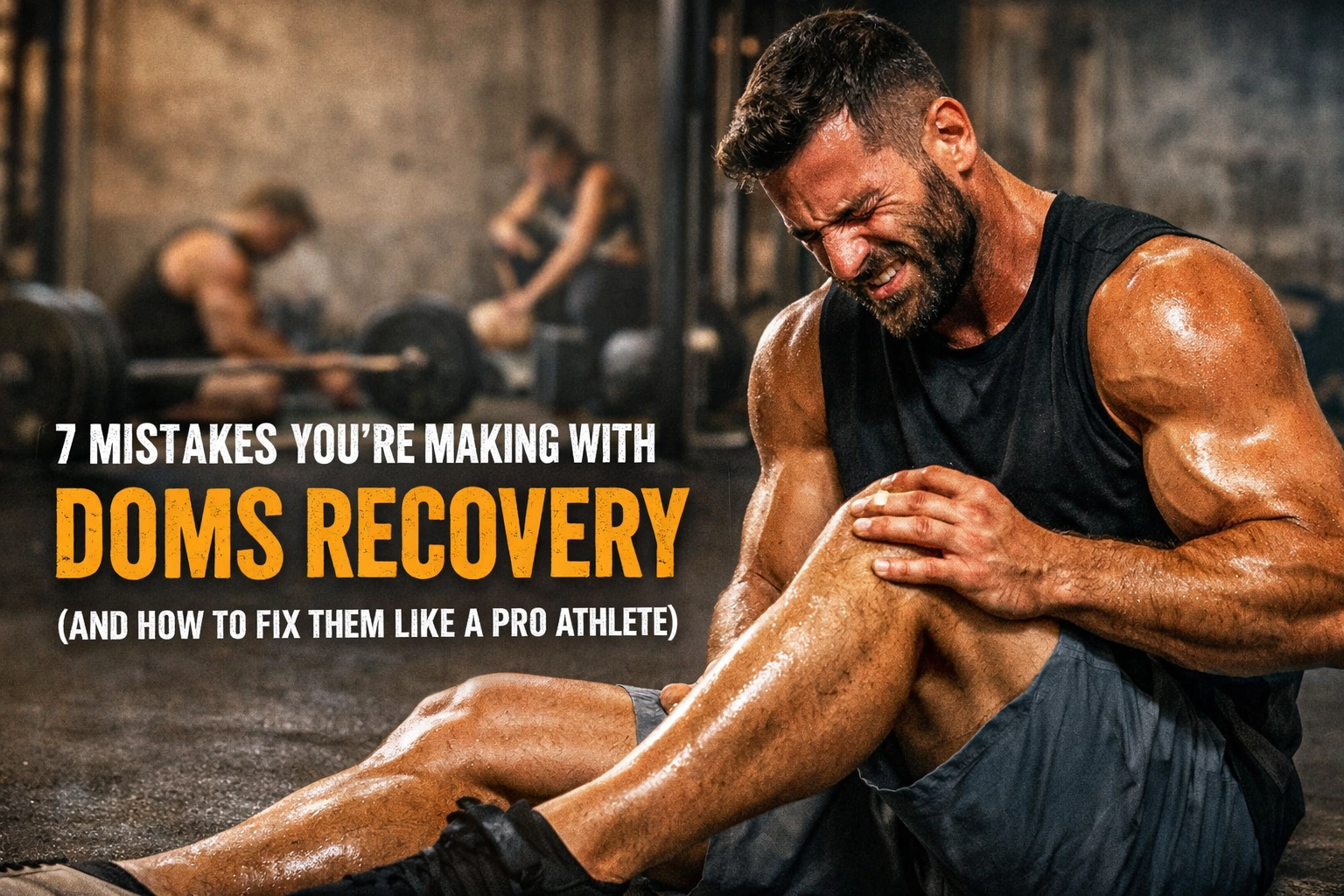
You know the feeling. You crushed a leg day or finally attempted that high-intensity circuit you’ve been eyeing. Twenty-four hours later, walking down a flight of stairs feels like a feat of Herculean strength. Your muscles are stiff, tender, and screaming. This is Delayed Onset Muscle Soreness, or DOMS.
At Best Sports Recovery, we see it all the time. Most people treat DOMS as a badge of honor: a sign that they worked hard. And while that’s true, how you handle the next 48 hours determines whether you’re actually getting stronger or just spinning your wheels in a cycle of inflammation.
In our Elite Athlete Blueprint series, we study the greats: Michael Jordan, Kobe Bryant, and Tiger Woods. These guys didn't just train harder; they recovered smarter. They didn't let DOMS sideline them. They used specific protocols to turn recovery into a competitive advantage.
If you’re still "walking it off" or reaching for a tub of menthol cream, you’re making mistakes that are stalling your progress. Here are the 7 biggest mistakes you’re making with DOMS recovery and how to fix them like a pro.
1. The "Passive Rest" Trap
The biggest mistake people make when they’re sore is doing absolutely nothing. You think your body needs to be horizontal on a couch to heal. While sleep is vital (we’ll get to that), total inactivity actually slows down the healing process.
Pro athletes use active recovery. When Kobe Bryant was dealing with the grind of an 82-game season, he didn't just sit in the locker room. He moved. Movement increases blood flow to the damaged muscle tissues, delivering the oxygen and nutrients needed for repair while flushing out metabolic waste.
The Fix: Incorporate low-intensity movement like walking, swimming, or a light cycle. Aim for 20–30 minutes at a heart rate that doesn't make you huff and puff. The goal is circulation, not perspiration.
2. Relying on Menthol "Pain Relief" (The Placebo Effect)
We’ve all seen the commercials for menthol-based rubs like Icy Hot. You put it on, it feels cold, then hot, and you think, "It's working!"
Here’s the cold, hard truth: Menthol does absolutely nothing to heal your muscles. It’s a sensory distraction. It overloads your nerves with temperature signals so your brain "forgets" the pain for a few minutes. It’s a placebo that masks the problem without addressing the underlying inflammation.
The Fix: Switch from masking the pain to actually treating the inflammation. Natural healing agents, like high-quality bentonite clay found in Clayer, work by drawing out toxins and reducing inflammation at the source rather than just numbing the skin. Pro athletes are moving away from chemicals and toward biological recovery methods that support the body's natural repair cycle.

3. Ignoring the Post-Workout Nutrition Window
Your muscles are essentially "broken" after a hard session. The repair process: the part where you actually get bigger and stronger: requires raw materials. Many amateur athletes wait two or three hours to eat a real meal, missing the critical window for post workout recovery.
Michael Jordan’s recovery wasn’t just about the "Breakfast Club" workouts; it was about the precision of his fueling. His team ensured he had the right balance of carbohydrates to replenish glycogen and protein to begin muscle synthesis immediately.
The Fix: Within 30 minutes of finishing your workout, consume a 3:1 ratio of carbohydrates to protein. This jumpstarts the insulin response, which shuttles nutrients into the muscle cells and begins the muscle recovery process before DOMS even has a chance to set in fully.
4. Underestimating Ice Bath Benefits
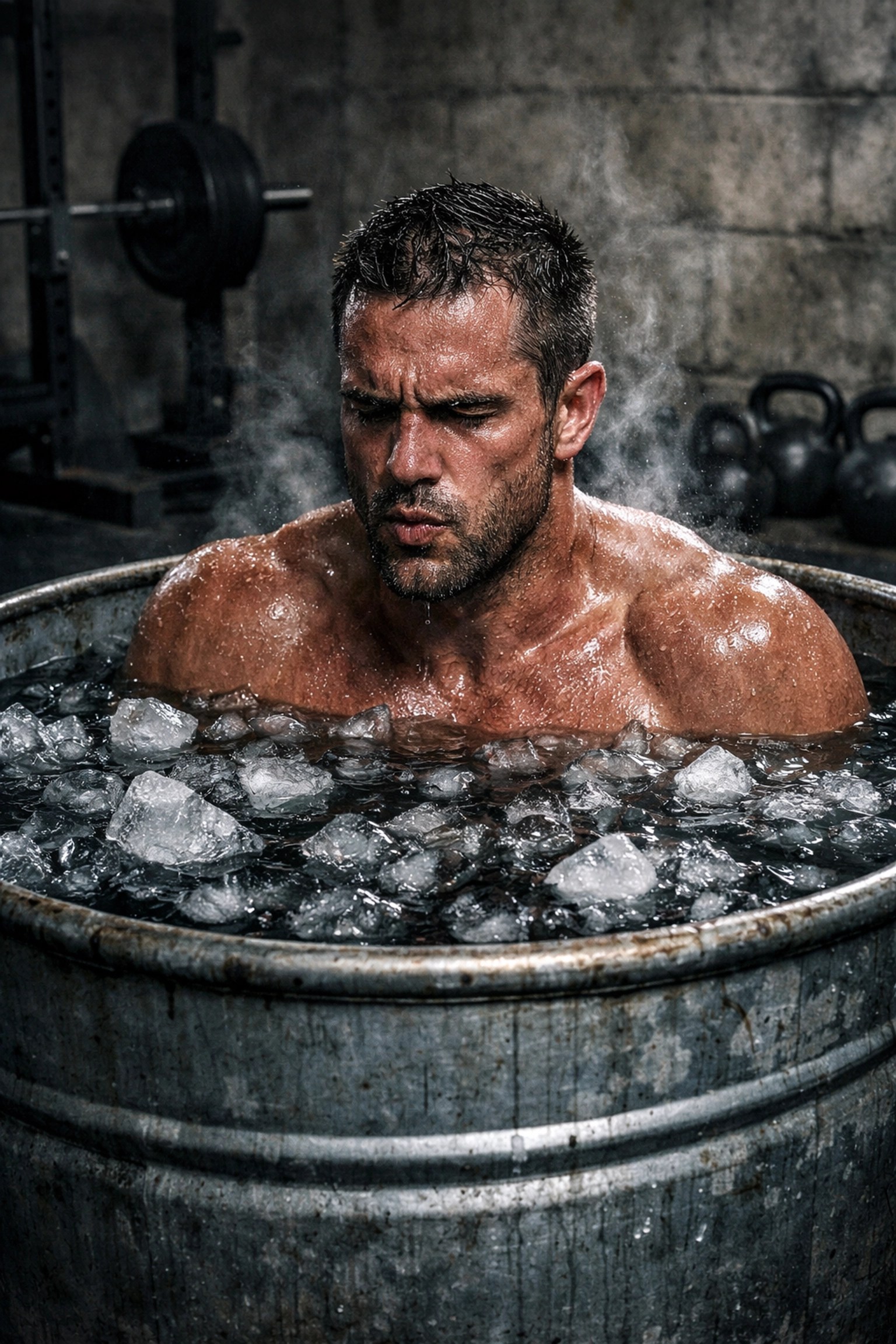
There’s a reason you see LeBron James or Tiger Woods submerged in a tub of ice after a major event. While the "RICE" (Rest, Ice, Compression, Elevation) method is being updated by modern sports medicine, the ice bath benefits for acute soreness are undeniable.
Cold water immersion causes "vasoconstriction": the shrinking of blood vessels. When you get out, your vessels dilate rapidly, creating a "flushing" effect that moves blood through the system more efficiently than just sitting still. It also significantly reduces the perception of pain and swelling.
The Fix: You don't need a professional training facility. A bathtub full of cold water and a few bags of ice for 10–12 minutes can drastically reduce the severity of DOMS the following day.
5. Thinking "No Pain, No Gain" Applies to Training Load
Mistake number five is the "ego" mistake. Many people experience DOMS and think the solution is to "power through" with another high-intensity session of the same muscle group.
Sudden spikes in training intensity or volume are the leading cause of injury. If you go from 0 to 100, your muscle fibers undergo more micro-tearing than your body can repair in a standard 48-hour window. This leads to chronic inflammation and "overtraining syndrome."
The Fix: Follow the 10% rule. Never increase your total volume or intensity by more than 10% per week. This allows your body to adapt. If you have severe DOMS in your legs, pivot. Work on upper body mobility or core stability while your lower body repairs.
6. Skipping the "Fire and Ice" Protocol
While ice is great for immediate inflammation, heat is the king of long-term recovery. Many people stick to one or the other, but pro athletes use contrast therapy.
The infrared sauna benefits are a game-changer for DOMS. Unlike traditional saunas that just heat the air, infrared light penetrates deep into the muscle tissue, increasing core temperature and stimulating cellular repair. It’s like a deep-tissue massage for your cells.
The Fix: If you have access to a sauna, use it 24–48 hours after your workout. The heat will relax the muscle fibers and improve elasticity, reducing that "stiff as a board" feeling that comes with DOMS.
| Recovery Method | Primary Benefit | Best Time to Use |
|---|---|---|
| Ice Bath | Reduces acute swelling | Immediately post-workout |
| Infrared Sauna | Deep tissue repair & relaxation | 24-48 hours post-workout |
| Active Recovery | Blood flow & waste removal | The day after a hard session |
| Clayer/Natural Clay | Inflammation reduction | During peak soreness |
7. Treating Sleep as an Afterthought
You can have the best massage therapist, the fanciest compression gear, and the cleanest diet, but if you’re sleeping five hours a night, your DOMS recovery will be sluggish.
Growth Hormone (GH) is primarily released during deep sleep. This is the "magic juice" that actually repairs the micro-tears in your muscles. Roger Federer famously aims for 11 to 12 hours of sleep during tournaments. While you might not have that luxury, six hours isn't cutting it for an athlete.
The Fix: Aim for 7–9 hours of quality sleep. Turn off your screens an hour before bed and keep your room cool. If you’re pushing your body like a pro, you need to sleep like one.

The Modern Recovery Shift: Beyond RICE
For decades, the RICE method was the gold standard. But modern sports science has evolved. We now know that "Rest" and "Ice" can sometimes be overused, potentially slowing down the very inflammation process needed for growth.
The new approach focuses on MEAT: Movement, Exercise, Analgesics (Natural), and Treatment.
- Movement: Keep the joints mobile.
- Exercise: Light loading to maintain tissue integrity.
- Analgesics: Using natural, non-toxic options like Clayer to manage pain without slowing healing.
- Treatment: Utilizing tech like infrared saunas and compression.
The Bottom Line
DOMS isn't something you just have to "deal with." It’s a signal from your body that it’s in a state of repair. If you treat that repair process with the same intensity that you treat your training, you’ll find yourself hitting PRs faster and staying injury-free.
Stop masking the pain with menthol placebos. Stop sitting on the couch waiting for the soreness to vanish. Take a page out of the Elite Athlete Blueprint: fuel early, move often, use the "fire and ice" of saunas and baths, and give your body the natural tools it needs to heal.
Ready to take your recovery to the professional level? Explore our range of Sports Recovery & Wellness Products and start treating your body like the high-performance machine it is.
- Stay active, stay recovered.
- Tibs Parise, Consultant at Best Sports Recovery
Leave a Reply