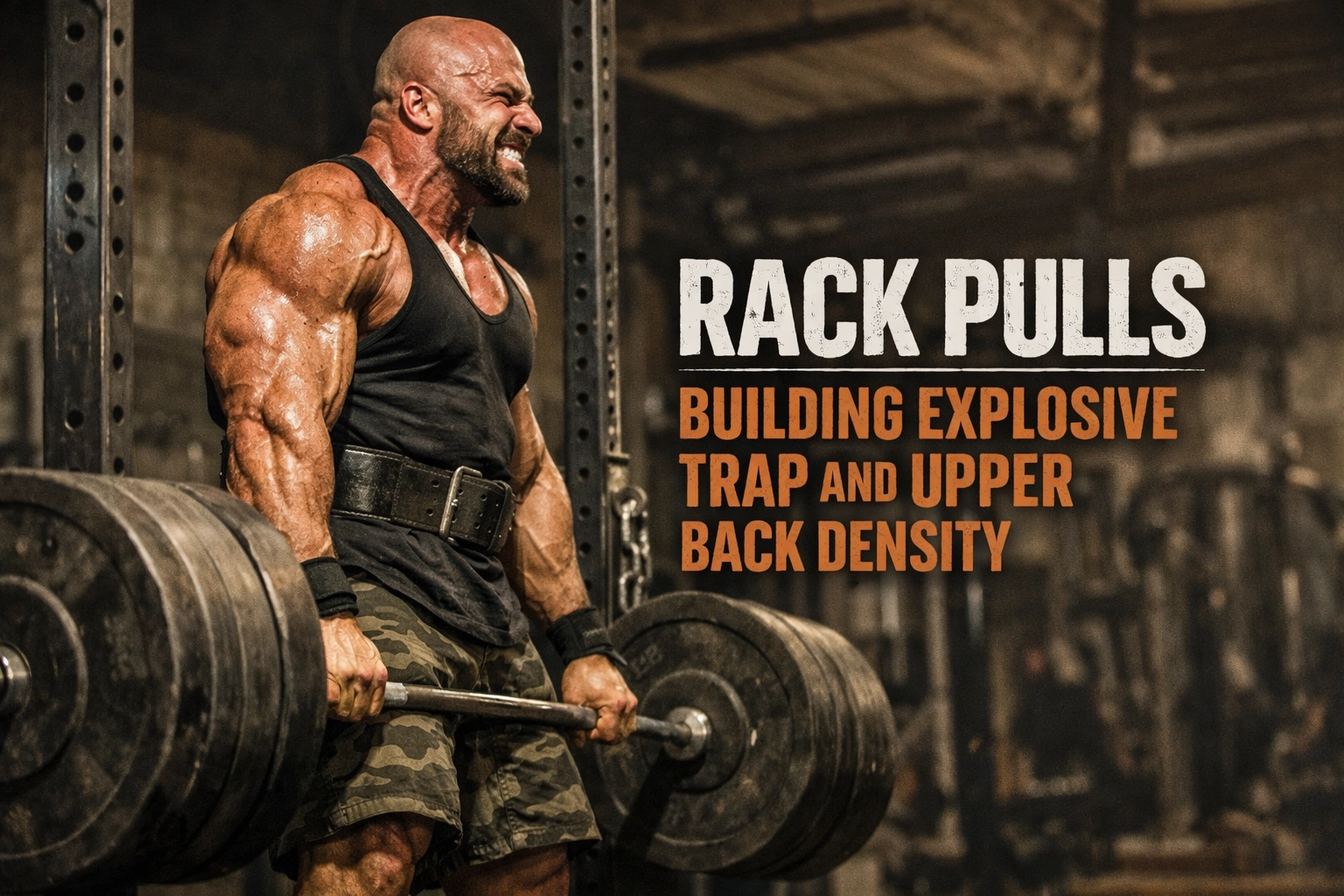
If you’ve spent any significant time in a serious weight room, you’ve heard the sound. It’s that heavy, metallic thud: the sound of several hundred pounds of iron meeting the safety pins of a power rack. Usually, it’s followed by someone looking like their traps are about to migrate into their ears.
Welcome to the world of rack pulls.
For a long time, rack pulls were dismissed by purists as a "cheat" deadlift or an ego lift for guys who didn't want to pull from the floor. But by 2025 and moving into 2026, the narrative has shifted. Elite strength athletes and bodybuilders alike have realized that if you want a back that looks like a topographical map of the Andes, you need to master the top half of the pull.
Whether you’re chasing the explosive power of a world-class strongman or just want to fill out a t-shirt so well it looks painted on, rack pulls are your best friend. But like any high-intensity tool, if you use it wrong, you’re going to get burned. Let’s dive into why this movement is a game-changer for your upper back density and how to recover so you can actually do it again next week.
Why the Top Half is the "Better" Half for Hypertrophy
When you deadlift from the floor, the first half of the movement is largely driven by the legs and hips. Your back acts as a bridge, maintaining tension, but the "pull" really starts to hammer the spinal erectors and traps once the bar clears the knees.
By starting the bar on the pins: usually just above or just below the kneecap: you eliminate the leg-drive-heavy portion of the lift. This allows you to:
- Handle Absurd Loads: Most lifters can rack pull 10-20% more than they can pull from the floor. This massive mechanical tension is the primary driver of muscle growth.
- Isolate the Traps and Rhomboids: Since you aren't fighting to get the bar off the floor, your upper back takes the brunt of the work from second one.
- Increase Time Under Tension: Holding a 500lb+ bar at lockout for a few seconds does things to your traps that shrugs simply cannot replicate.
Think about the sheer grit required to hold that kind of weight. Your nervous system is screaming, your grip is failing, and your upper back is working overtime just to keep your shoulders from being ripped out of their sockets. That’s where the density comes from. It’s the result of your body adapting to extreme stress.
The Technicality of the "Ego Lift"
Don't let the shorter range of motion fool you; technique still matters. If you just round your back and "hitch" the weight up, you’re asking for a disc issue.
The Setup
Set the pins so the bar sits right at the bottom of your kneecap. This is the "sweet spot" for most. It’s low enough that you still get some hip hinge, but high enough to move heavy weight.
The Pull
Approach the bar like a conventional deadlift. Feet hip-width apart. Grip just outside your legs. Engagement is key. Before you pull, pull the "slack" out of the bar. You should feel your lats engage and your chest puff out. Your spine should be a straight line from your head to your tailbone.
As you pull, think about driving your hips forward rather than pulling the bar up. At the top, don't just lean back: squeeze your shoulder blades together and hold it. Feel that "yoke" working.
Common Pitfalls
The biggest mistake? Bouncing the bar off the pins. Not only does this destroy the equipment, but it uses momentum to bypass the hardest part of the lift. Come to a dead stop on every rep. Reset your breath, brace your core, and pull again.
Building the "Yoke": Traps and Rhomboids
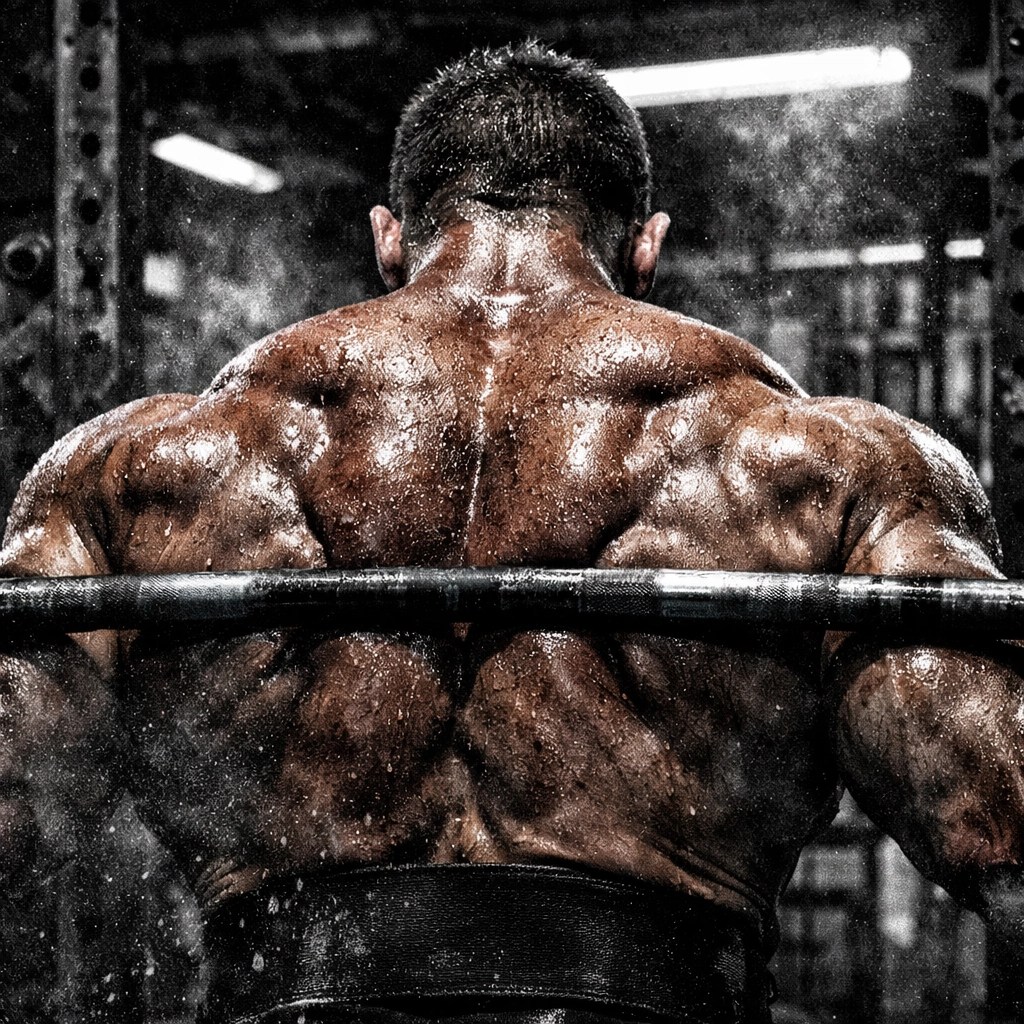
When we talk about back "thickness," we’re talking about the traps (middle and upper), the rhomboids, and the spinal erectors. While a lat pulldown gives you width, the rack pull gives you that 3D look from the side.
Look at the top-tier athletes of 2026: guys who are pushing the limits of human performance. They don't just have wide backs; they have "thick" backs. This density provides a stable platform for every other lift. If your upper back is weak, your bench press will stall, and your front squat will collapse.
Recovery: More Than Just Sitting on the Couch
Let’s be real: rack pulls are taxing. They fry your Central Nervous System (CNS) and leave your upper back feeling like it’s been hit by a freight train. If you aren't prioritizing recovery, you’re just digging a hole you can’t climb out of.
At Best Sports Recovery, we’ve seen it all. The old-school "RICE" method (Rest, Ice, Compression, Elevation) is largely considered outdated in the modern era of sports science. If you want to heal, you need blood flow, movement, and the right nutrients.
Foam Rolling for Thoracic Mobility
After a heavy rack pull session, your upper back is going to be tight. This can lead to a "hunched" posture that limits your lung capacity and mess with your shoulder health. Spend 5-10 minutes on a high-density foam roller. Focus on the thoracic spine (the middle of your back). Avoid the lower back: keep the rolling to the ribcage area. This helps "unstick" the fascia and encourages blood flow to the traumatized muscle fibers.
The "Pain Relief" Trap
A lot of guys finish a workout and reach for a tube of something that smells like a candy cane. Menthol-based products (like Icy Hot) are everywhere, but here’s the truth: they don't do anything for healing. Menthol creates a cooling or burning sensation that distracts your brain from the pain. It’s a placebo. It masks the issue while the inflammation continues to simmer underneath.
If you’re serious about getting back to the rack, you need to address the inflammation itself. This is why many pro athletes have made the switch to Clayer. Unlike chemical-laden creams, Clayer uses French healing clay that actually pulls heat and inflammation out of the tissue. It’s 100% natural and works synergistically with your body’s healing process rather than just lying to your brain about how you feel. For anyone pushing 500lb+ on the pins, a natural recovery protocol is the only way to stay in the game long-term.
Nutrition, Sleep, and Hydration: The Holy Trinity
You can have the best recovery tools in the world, but if you’re sleeping five hours a night and eating processed junk, your back isn't going to grow.
- Sleep: Aim for 8 hours. This is when growth hormone is released.
- Nutrition: High protein is a given, but don't ignore micronutrients. Magnesium and Zinc are crucial for CNS recovery.
- Hydration: Your muscles are mostly water. If you're dehydrated, your fascia gets "sticky," increasing your risk of injury.
Integrating Rack Pulls Into Your Routine
Don't go out and do 10 sets of 10 rack pulls today. Your CNS will quit on you before your muscles do. Treat them like a primary movement.
The "Power & Density" Protocol:
- Frequency: Once every 7-10 days.
- Sets/Reps: 3-5 sets of 3-5 reps.
- Placement: First or second exercise in your back or pull-day routine.
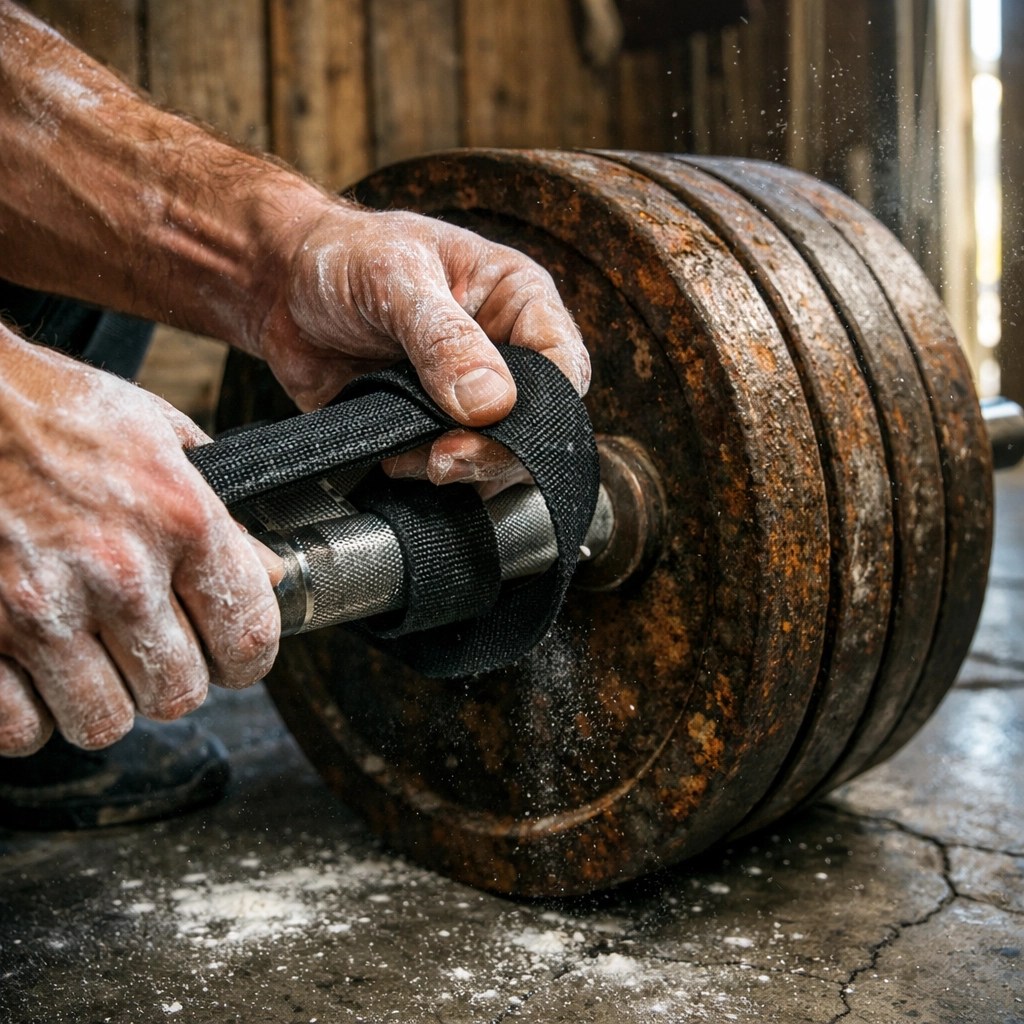
If you’re feeling particularly beat up, don't be afraid to use straps. While grip strength is important, the goal of the rack pull is back density. Don't let your grip be the limiting factor for your traps.
The Gritty Path to Progress
Success in the gym isn't a straight line. There will be days when the weight feels like it’s bolted to the floor. There will be days when your back feels like a knotted mess of wires. That’s the "gritty journey" we talk about. It’s the sweat, the setbacks, and the choice to keep showing up.
Athletes like Mitchell Hooper or the rising stars of the 2025/2026 circuit didn't get their "yokes" by accident. They got them through years of heavy, uncomfortable pulling and meticulous attention to recovery. They know that what you do outside the gym: the foam rolling, the clean nutrition, the choice of natural healing over chemical placebos: is what allows you to be a beast inside the gym.
Final Thoughts
Rack pulls are a tool of mass destruction for a weak back. They build the kind of density that makes you look powerful even when you’re standing still. But with great power comes the need for great recovery. Respect the weight, master your form, and give your body the natural tools it needs to rebuild.
Stop masking the pain and start healing the muscle. Your traps will thank you.
For more information on the best natural recovery protocols, check out our full range of guides at Best Sports Recovery. Or, if you're ready to ditch the menthol placebos and try something that actually works, head over to Clayer to see why it's the #1 choice for athletes who demand real results.
Leave a Reply