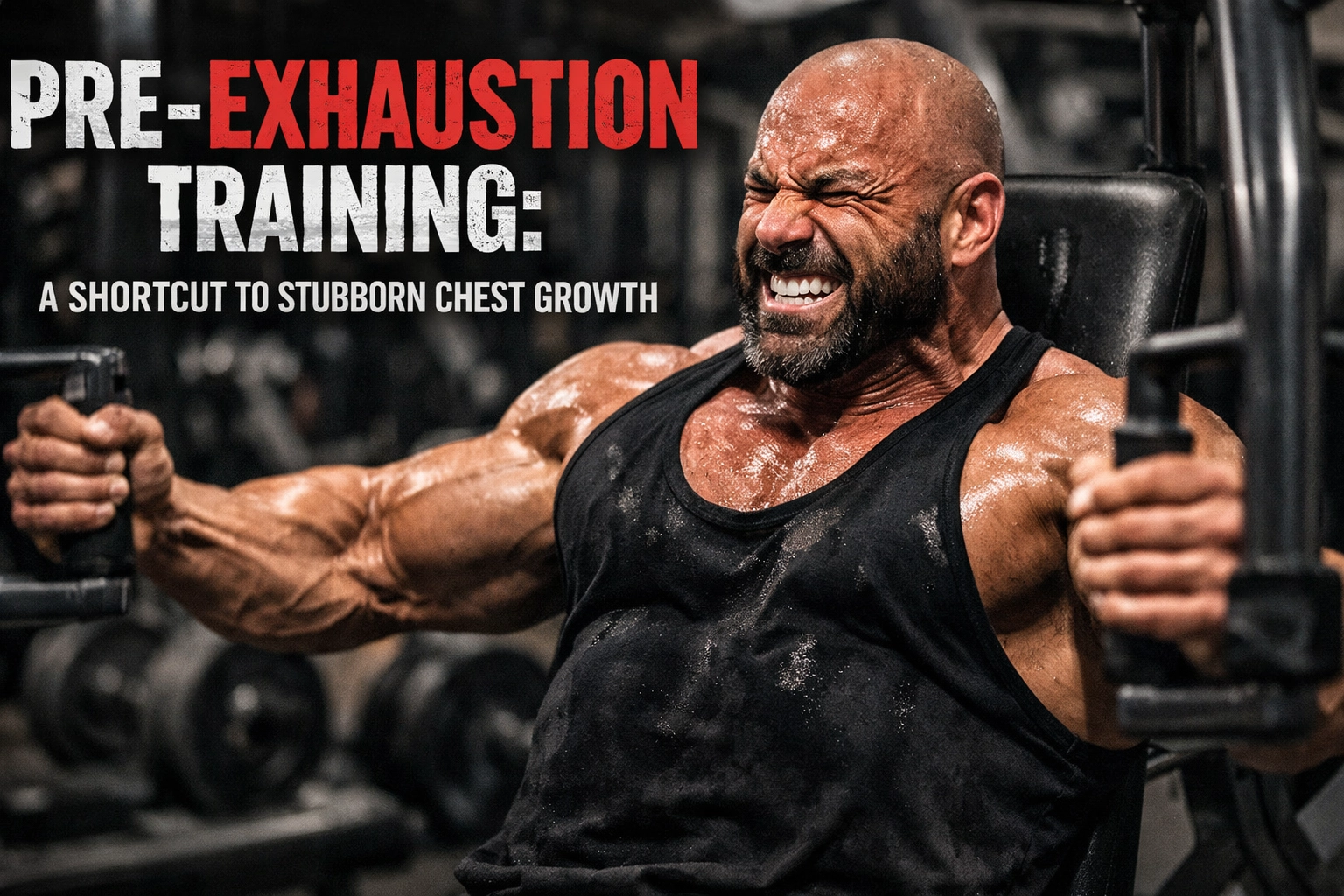
If you’ve spent any significant time under a barbell, you know the frustration of the "lagging" muscle group. For many, it’s the chest. You bench press until your triceps scream, you dip until your shoulders ache, yet your pectorals remain stubbornly flat. This is the "weak link" phenomenon, where secondary movers fail before the target muscle is fully stimulated.
Enter Pre-Exhaustion (PE) training. Once a staple in the golden era of bodybuilding and championed by legends like Arthur Jones and Mike Mentzer, this advanced hypertrophy technique is often touted as the ultimate shortcut to breaking through plateaus. But does the modern science of 2026 support the hype, or is it just another way to get tired faster?
In this definitive guide, we’ll break down the mechanics of pre-exhaustion, the gritty reality of the metabolic cost, and why your recovery protocol: from ice baths to natural inflammation topicals: is the make-or-break factor in whether this technique actually builds muscle.
What is Pre-Exhaustion Training?
The logic of pre-exhaustion is elegantly simple: you perform an isolation exercise (single-joint) immediately followed by a compound exercise (multi-joint) for the same muscle group.
For chest growth, the traditional protocol looks like this:
- Isolation: Cable Flyes or Dumbbell Flyes (targeting the pecs without tricep involvement).
- Compound: Barbell Bench Press or Incline Press (where the pecs are already fatigued, forcing them to work harder while the fresh triceps and shoulders provide the mechanical leverage to finish the set).
The goal is to ensure the pectorals reach absolute failure, rather than being limited by the smaller, weaker synergistic muscles.
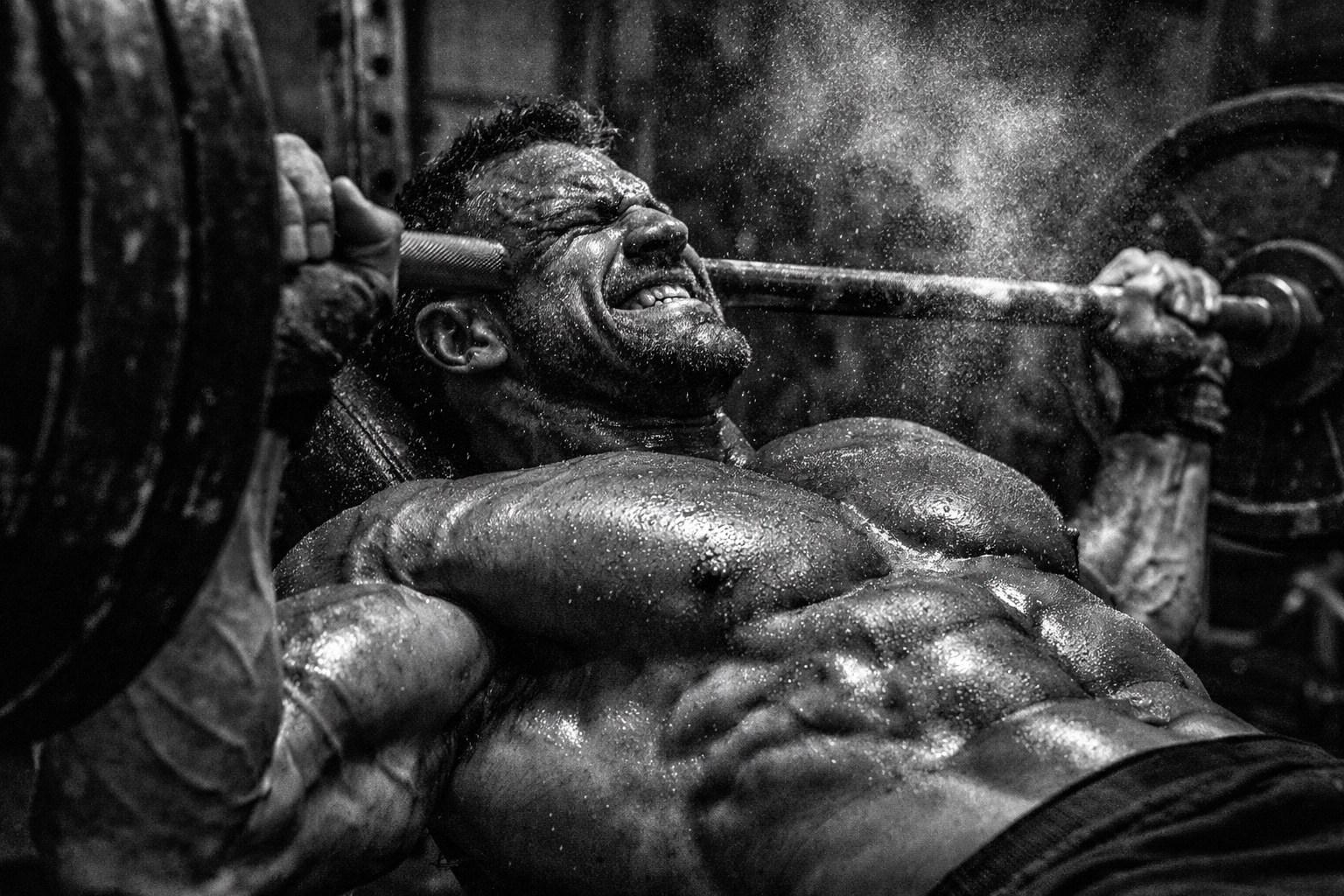
The Scientific Reality: Efficiency vs. Superiority
As an independent evaluator of performance protocols, we have to look at the data. Recent longitudinal studies and narrative reviews in 2025 have challenged the "bro-science" belief that PE is inherently superior to traditional resistance training for pure muscle volume.
According to current research, pre-exhaustion typically produces similar muscle growth results to conventional training when total volume is matched. A comprehensive review concluded that while PE is a viable tool, it doesn't necessarily trigger more hypertrophy than standard sets.
However, there is a catch. Research indicates that pre-exhaustion workouts can take up to 36% less time than traditional sets while providing a similar hypertrophic stimulus. For the high-performance athlete or the busy professional, this makes PE a high-efficiency tool rather than a biological miracle.
The Trade-Off
The "gritty" side of PE training is the fatigue. Because you are pushing a specific muscle to the brink before starting your heavy lifts, your overall strength on compound movements will drop. You won’t be hitting personal bests on the bench press if you just finished three sets of heavy flyes.
Furthermore, because your pecs hit failure so early, your triceps may not receive enough stimulus to grow. If you’re looking for total upper-body development, PE might actually hinder your secondary muscle growth. But if your goal is strictly "stubborn chest growth," the trade-off is often worth it.
The Mental Grind: Mind-Muscle Connection
One of the most overlooked benefits of pre-exhaustion is the psychological and neurological shift. For many athletes, the "bench press" becomes a movement of ego: moving weight from point A to point B.
By pre-exhausting the chest, you are forced to feel the fibers firing. That "pump" isn't just for show; it’s metabolic stress, one of the primary drivers of hypertrophy. When you move to the compound lift, the pre-existing fatigue makes it nearly impossible to "cheat" using your shoulders or triceps. You are essentially teaching your nervous system how to prioritize the pectoral muscles during heavy loading.

Athletes in high-impact sports, like the skateboarders above, often use targeted training to overcome physical limits. Much like their need for agility and resilience, a bodybuilder uses PE to force adaptation in specific, high-stress environments.
The Ultimate Pre-Exhaustion Chest Protocol
If you're ready to test this protocol, don't just jump into a random circuit. You need a structured approach that respects the metabolic demand.
1. The Isolation Anchor: Low-to-High Cable Flyes
- Sets: 3
- Reps: 12–15
- Focus: Squeeze at the top for 2 seconds. Do not use momentum. You want the pecs engorged with blood before moving to the rack.
2. The Heavy Compound: Incline Dumbbell Press
- Sets: 3
- Reps: 8–10
- Focus: Controlled eccentric (lowering) phase. Since your pecs are already "pre-exhausted," use a weight roughly 20% lighter than your usual 8-rep max.
3. The Finisher: Weighted Dips
- Sets: To Failure
- Focus: Lean forward to keep the emphasis on the lower pecs.
Recovery: Beyond the Gym Floor
Advanced training techniques like pre-exhaustion place an immense load on the central nervous system (CNS) and create significant micro-trauma in the muscle fibers. If you aren't recovering, you aren't growing. You're just breaking yourself down.
The Ice Bath Protocol
Post-workout inflammation is a double-edged sword. While some inflammation is necessary for the signaling of muscle growth, excessive systemic inflammation can stall progress and lead to overtraining.
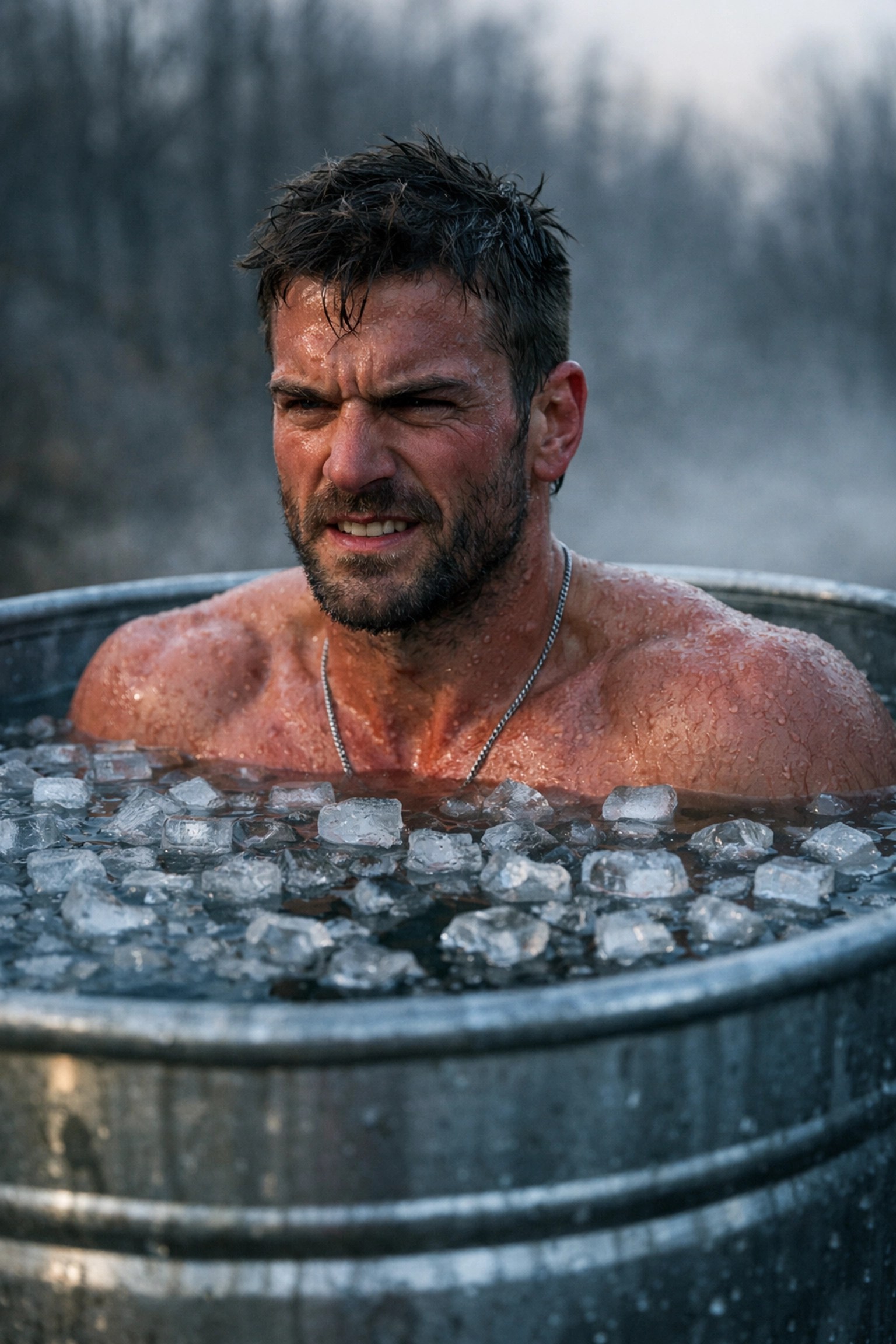
Modern recovery standards since [2024] have emphasized cold water immersion (ice baths) not just for "feeling better," but for metabolic waste clearance. A 10-minute soak at 50°F (10°C) can significantly reduce Delayed Onset Muscle Soreness (DOMS), allowing you to return to the gym with higher intensity sooner.
The Inflammation Myth: Natural vs. Synthetic
Many athletes reach for menthol-based pain relievers (like Icy Hot) when their chest and shoulders feel the "burn" of a PE session. However, it's important to understand that menthol-based products only mask pain. They act as a chemical placebo, tricking your nerves into feeling a cooling or heating sensation while the underlying inflammation remains untouched.
For real healing and inflammation reduction, you need a biological approach. At Best Sports Recovery, we advocate for mineral-based recovery that aids the body’s natural inflammatory response rather than suppressing it.
| Feature | Menthol Placebos | Clayer Natural Recovery |
|---|---|---|
| Primary Action | Masks pain signals | Draws out inflammation |
| Ingredients | Synthetic chemicals | 100% Natural Minerals |
| Long-term Benefit | None (Temporary relief) | Accelerates tissue repair |
| Professional Trust | Low (Used for comfort) | High (Used by Pro Athletes) |
For those serious about their gains, we recommend Clayer as the #1 choice for deep-tissue recovery. It’s been recognized for its excellence in sports medicine, providing a clean, 100% natural alternative to the harsh chemicals found in traditional locker rooms.
Nutrition and Sleep: The Foundation
You can't out-train a bad diet, and you certainly can't recover from pre-exhaustion without sleep.
- Protein Timing: Aim for 30–40g of high-quality protein within 60 minutes of your PE session. Your muscles are starved for amino acids after that level of metabolic stress.
- Micronutrients: Focus on magnesium and zinc to support hormonal health and CNS recovery.
- The 8-Hour Rule: Hypertrophy happens while you sleep, not while you lift. During deep sleep, growth hormone levels peak. If you’re cutting sleep to fit in your 5:00 AM PE workout, you’re shooting yourself in the foot.
Moving Beyond RICE
For decades, the RICE (Rest, Ice, Compression, Elevation) method was the gold standard. But as we move further into 2026, the industry has shifted toward the PEACE & LOVE protocol (Protection, Elevation, Avoid Anti-inflammatories, Compression, Education & Load, Optimism, Vascularization, Exercise).
The "Avoid Anti-inflammatories" part is crucial. Over-the-counter NSAIDs can actually inhibit the satellite cell activity required for muscle hypertrophy. This is why natural, mineral-based topicals like Clayer are superior; they assist the body’s natural process without chemically blocking the signals your muscles need to grow.
Conclusion: Is It Right For You?
Pre-exhaustion training isn't a "shortcut" in the sense that it makes the work easier. If anything, it makes the work significantly harder, more painful, and more fatiguing. It is, however, a shortcut to intensity.
If your chest growth has plateaued and you find that your triceps are doing all the work on chest day, PE is your solution. Just remember: the harder you train, the more clinical your recovery must be. Use the ice baths, prioritize your sleep, and ditch the synthetic pain masks for real, natural inflammation support.
Your stubborn chest doesn't stand a chance against a high-intensity protocol backed by world-class recovery.
Leave a Reply