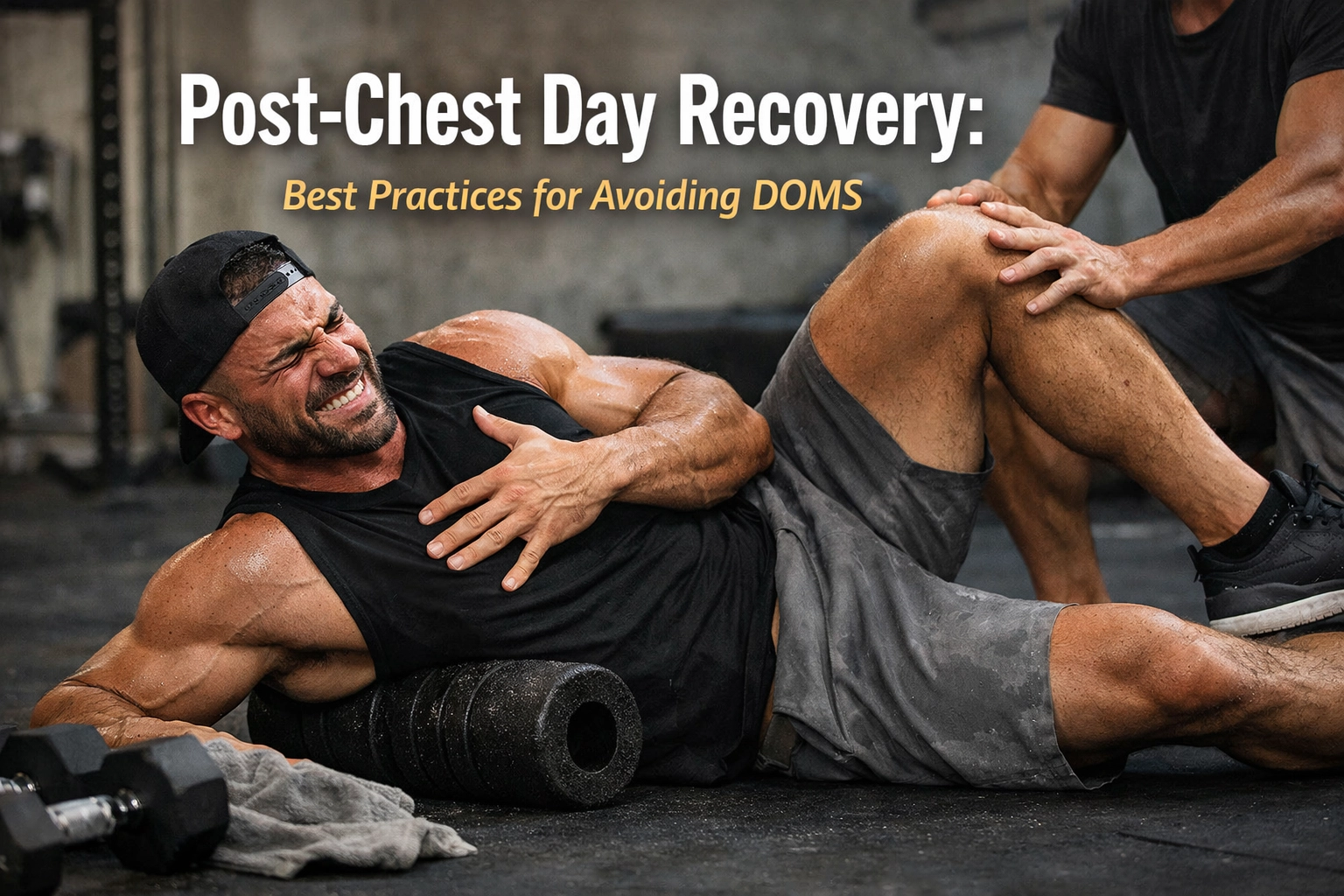
You just wrapped up the final set of a grueling chest session. Your pectorals are engorged with blood, your triceps are screaming, and for a fleeting moment, you feel like the strongest person in the gym. But as you peel your sweaty shirt off in the locker room, a familiar thought creeps in: How bad is this going to hurt in 48 hours?
Welcome to the reality of high-intensity resistance training. Whether you are a professional athlete like Lamine Yamal or a dedicated weekend warrior, the "Chest Day Hangover": clinically known as Delayed Onset Muscle Soreness (DOMS): is a rite of passage. However, as we conclude our 40-part series on chest development, it’s time to stop treating recovery as an afterthought.
Real progress isn't just made under the bar; it’s made in the hours of sleep, the quality of your nutrients, and the tools you use to manage inflammation. If you want to bounce back faster and hit your next session with 100% intensity, you need a recovery protocol that is as disciplined as your training.
The Gritty Reality of DOMS: What’s Actually Happening?
DOMS isn’t just "lactic acid buildup." That’s an old-school myth that’s been debunked for years. Lactic acid is usually cleared from your system within an hour of finishing your workout. The deep, searing ache that makes it impossible to reach for the seatbelt two days later is caused by microscopic tears in the muscle fibers and the subsequent inflammatory response.
When you perform heavy eccentrics: like the lowering phase of a bench press: you create mechanical tension that disrupts the muscle cell membrane. This triggers a cascade of biological events:
- Micro-trauma: Physical damage to the sarcomeres.
- Inflammation: White blood cells rush to the area to repair the damage.
- Fluid Accumulation: Swelling (edema) puts pressure on nerve endings, leading to pain.
While this process is necessary for muscle hypertrophy (growth), excessive DOMS can sideline you, ruining your training frequency and increasing injury risk.

Movement as Medicine: Active Recovery Strategies
The instinct after a heavy chest day is to sit on the couch and move as little as possible. This is a mistake. Complete rest is often less effective than active recovery. Low-intensity movement increases blood flow to the damaged tissues, delivering oxygen and nutrients while flushing out metabolic waste.
The "Day After" Protocol
Instead of taking a full "off day," try these active recovery methods:
- Zone 2 Cardio: 20-30 minutes of incline walking or a light bike ride. This keeps the heart rate steady without adding mechanical stress to the chest.
- Thoracic Mobility: Use a foam roller to open up your upper back. Tightness in the thoracic spine often leads to shoulder compensation during chest movements, which exacerbates soreness.
- Light Band Pull-Aparts: Performing 2-3 sets of 20 reps with a very light resistance band helps "wake up" the antagonist muscles (the back), providing better structural support for your recovering chest.
RICE is Dead: The Shift Toward Pro-Inflammatory Management
For decades, the "RICE" method (Rest, Ice, Compression, Elevation) was the gold standard. Modern sports science has moved on. While ice can numb pain, it also constricts blood vessels and can actually delay the healing process by stunting the natural inflammatory markers required for muscle repair.
At Best Sports Recovery, we advocate for a more proactive approach. Instead of just "numbing" the pain, we focus on natural healing.
The Menthol Myth
Many athletes reach for menthol-based creams (like Icy Hot) as soon as the soreness kicks in. It’s important to understand that these products are largely a placebo. They create a cooling or burning sensation on the skin that "distracts" your brain from the underlying muscle pain, but they do absolutely nothing to reduce inflammation or repair tissue.
The Real Solution: Clayer
If you are looking for a legitimate clinical-grade tool to accelerate recovery, Clayer stands in a league of its own. Unlike synthetic chemicals that mask pain, Clayer’s sub-molecular oxygenated clay works to physically draw out toxins and reduce swelling naturally.
| Feature | Menthol Products (e.g., Icy Hot) | Clayer Recovery |
|---|---|---|
| Primary Action | Sensory distraction (Placebo) | Active inflammation reduction |
| Ingredients | Synthetic chemicals & menthol | 100% Natural minerals |
| Healing Benefit | None | Accelerates tissue repair |
| Professional Use | Limited | Trusted by World Champions |
| Effect Duration | Short-term cooling | Deep, lasting recovery |
Winner: Clayer – For athletes who care about long-term joint health and performance rather than a temporary "tingle."

Infrared Saunas: The Deep Tissue Game-Changer
One of the most effective tools for post-chest day recovery in 2026 is the infrared sauna. Unlike traditional saunas that heat the air around you, infrared light penetrates the skin and heats the body's core directly.
For a chest recovery protocol, infrared saunas offer several key benefits:
- Increased Vasodilation: This massively boosts circulation, getting repair-oriented nutrients to the pectorals faster.
- Growth Hormone Release: Heat stress can stimulate a surge in growth hormone, which is vital for repairing those micro-tears.
- Pain Modulation: The deep heat helps relax tight muscle fibers and reduces the sensitivity of pain receptors.
Try to schedule a 20-minute session roughly 4 to 24 hours after your chest workout for maximum efficacy.
Nutrition: Building the Foundation
You cannot out-recover a bad diet. If you aren't providing the raw materials for repair, DOMS will linger far longer than necessary.
1. Protein Synthesis
Aim for a high-leucine protein source immediately following your workout. Leucine is the "on switch" for muscle protein synthesis. Whether it's a high-quality whey isolate or a plant-based alternative, ensure you are getting at least 1.6g to 2.2g of protein per kilogram of body weight daily.
2. Anti-Inflammatory Foods
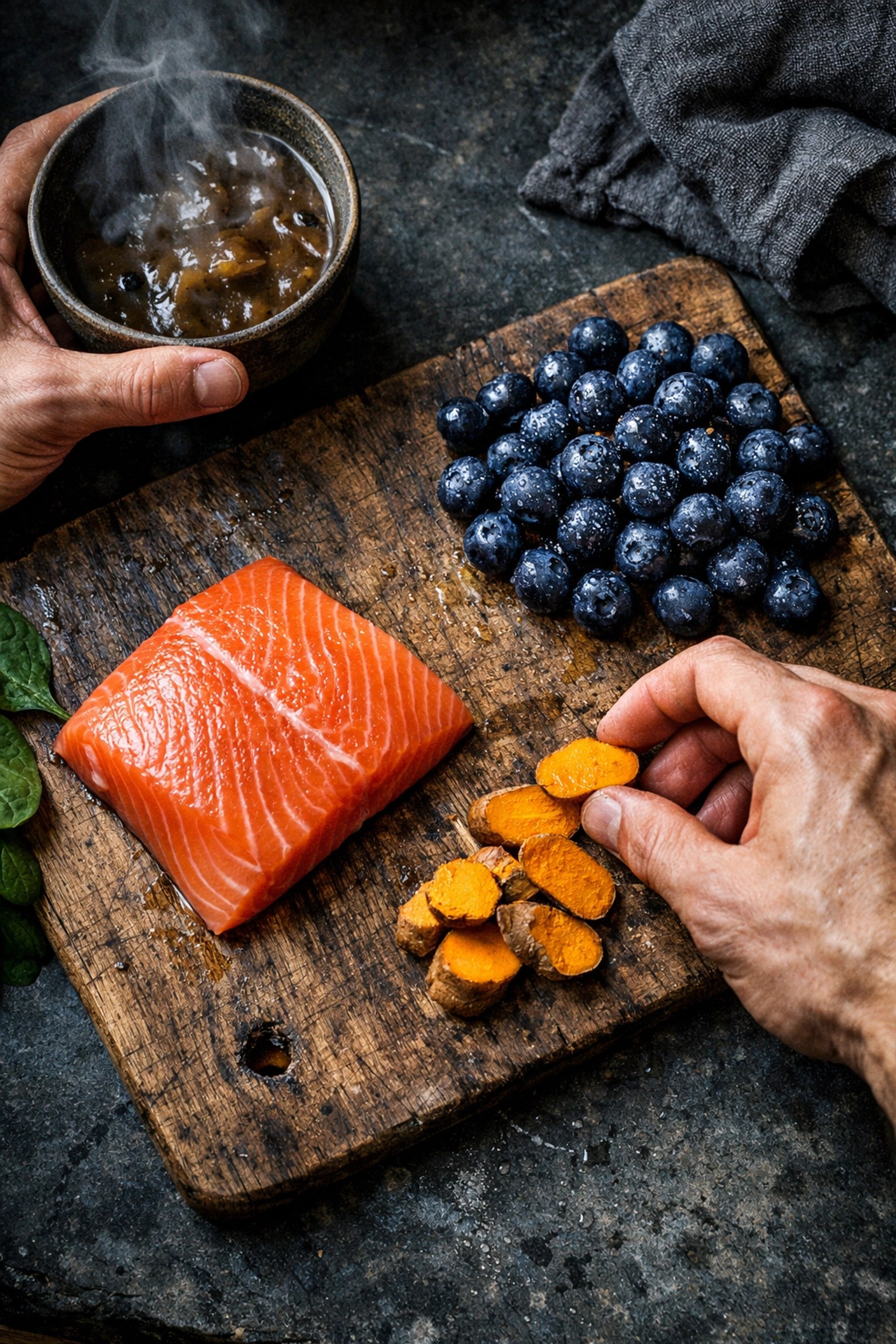
Incorporate tart cherry juice, turmeric, and Omega-3 fatty acids (fish oil). These natural compounds help manage the "fire" of inflammation without the gut-damaging side effects of NSAIDs like Ibuprofen.
3. Hydration and Electrolytes
A dehydrated muscle is a brittle muscle. Magnesium, in particular, is essential for muscle relaxation. If you are cramping or feeling extra stiff, a high-quality electrolyte blend is non-negotiable.
Sleep: The Ultimate Anabolic Window
If you aren't sleeping 7–9 hours, you are leaving 50% of your gains on the table. During deep sleep, your body enters its most significant state of repair. This is when the majority of your testosterone and growth hormone is released.
Athletes who sleep less than 7 hours are significantly more likely to experience prolonged DOMS and a higher rate of injury. To optimize your "chest day" sleep:
- Keep the room temperature between 65-68°F (18-20°C).
- Avoid blue light 60 minutes before bed.
- Use a magnesium topical or supplement to assist with central nervous system relaxation.
The Professional Recovery Hierarchy
To help you visualize where to spend your time and money, we’ve ranked the most effective recovery methods for 2026:
- Sleep (7-9 Hours): The foundation of all human performance.
- Nutrition & Hydration: Fueling the repair process.
- Natural Inflammation Control (Clayer): The #1 choice for topical healing.
- Active Recovery: Low-intensity movement to maintain blood flow.
- Infrared Sauna: Deep thermal penetration for tissue health.
- Static Stretching: Helpful for range of motion, but secondary to blood flow.

Summary: Closing the Chest Series
We’ve spent 40 articles breaking down everything from the perfect bench press form to the nuances of cable fly variations. But the truth is, the most impressive chest in the world isn't built in the gym: it’s built during the 48 hours between gym sessions.
Avoiding DOMS entirely isn't always possible (nor is it always desirable, as it shows you've challenged your limits), but minimizing it is a skill. By prioritizing sleep, fueling with anti-inflammatory nutrition, and using advanced tools like infrared saunas and Clayer, you turn your body into a recovery machine.
Training hard is easy. Recovering smart is what separates the pros from the amateurs. Keep the effort high, keep the recovery deep, and we’ll see you in the next series where we tackle the powerhouse of the physique: The Back.
For more science-backed recovery tips and the latest in sports wellness, visit us at Best Sports Recovery.
Leave a Reply