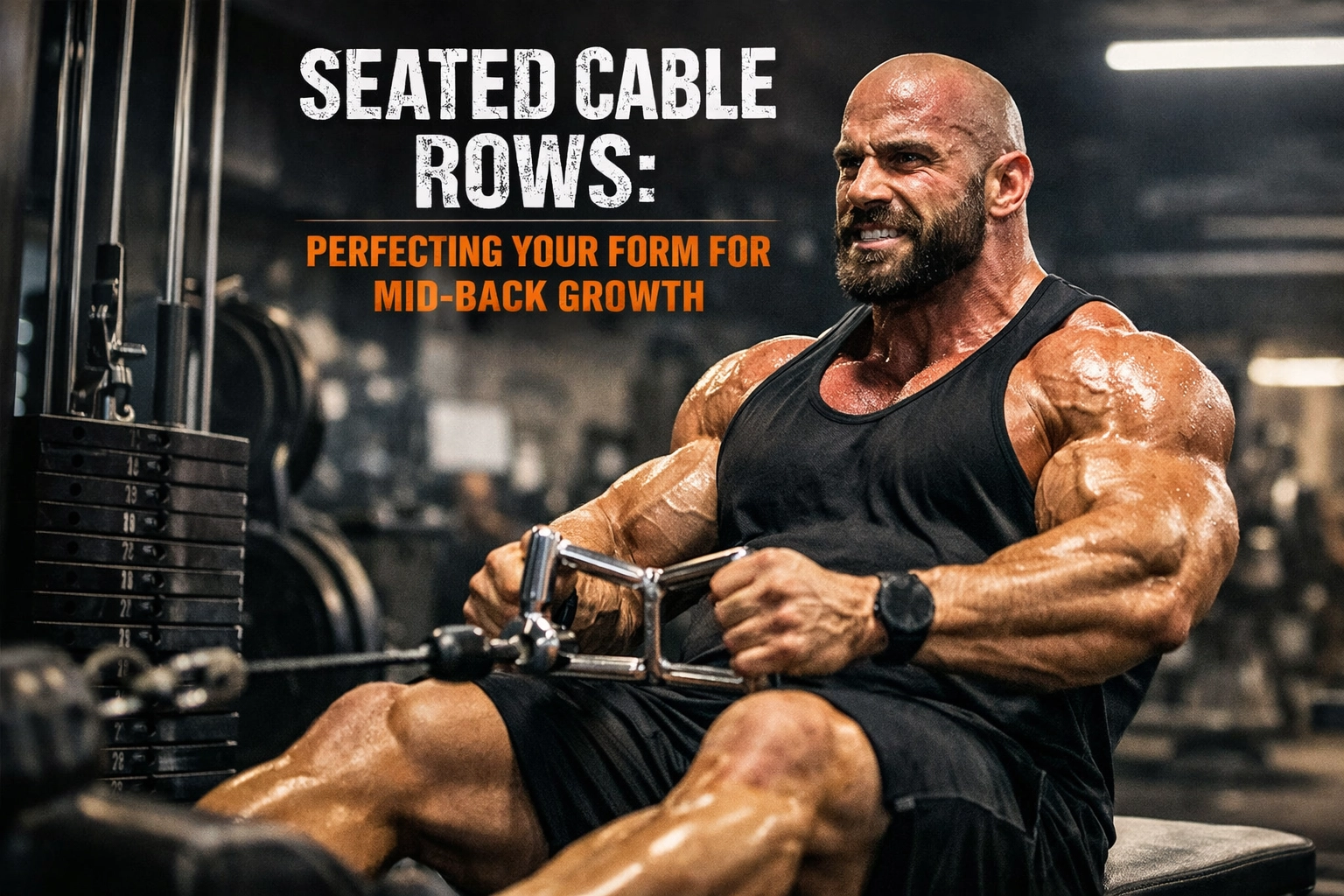
If you’ve ever walked into a high-performance training center, you’ve seen the seated cable row station. It’s a staple for everyone from off-season NFL linemen to elite CrossFit athletes like Justin Medeiros. Why? Because a thick, powerful mid-back isn't just for aesthetics; it’s the foundation of postural integrity, pulling power, and shoulder health.
However, most people in the gym treat the cable row like a game of tug-of-war. They use momentum, round their spines, and turn a back exercise into a mediocre biceps workout. To see real hypertrophy in the rhomboids and middle trapezius, you need a clinical approach to your mechanics.
In this definitive guide, we’re breaking down the technical execution of the seated cable row, how to optimize your recovery with modern protocols, and why the "old school" way of treating back pain might be holding you back.
The Anatomy of the Mid-Back "3D" Look
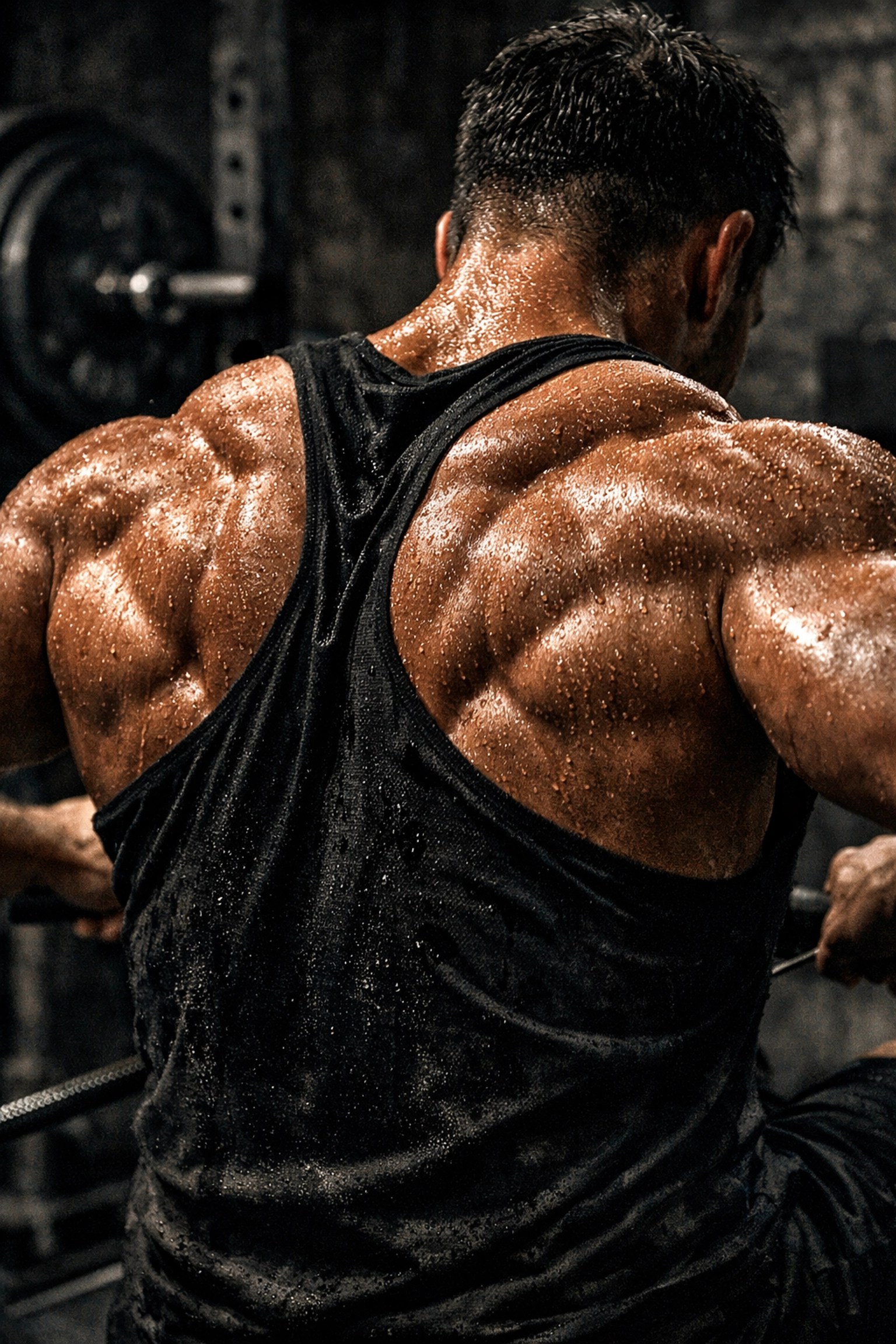
To build a back that looks like it was carved out of granite, you have to target the deep musculature. While the latissimus dorsi (lats) provide width, the "thickness" comes from the:
- Rhomboids (Major and Minor): These sit between your shoulder blades and are responsible for retraction.
- Middle and Lower Trapezius: These muscles stabilize the scapula and add vertical detail to the back.
- Erector Spinae: These run along the spine and provide the "trunk-like" appearance of the lower and middle back.
- Rear Deltoids: These cap the back of the shoulder, often assisting in the end-range of the row.
When you master the seated cable row, you aren't just pulling weight; you are teaching these muscles to work synergistically to stabilize your entire posterior chain.
Technical Execution: Step-by-Step Guide
At Best Sports Recovery, we’ve analyzed thousands of movement patterns. Excellence in the row comes down to three phases: the setup, the pull, and the controlled eccentric.
1. The Setup and Starting Position
Position yourself on the bench with your feet securely braced against the footrest. Maintain a slight bend in your knees: locking them out transfers too much stress to the lower back, while bending them too much limits your range of motion.
The Grip: For mid-back growth, we recommend a close-grip triangle attachment. This neutral grip (palms facing each other) allows for a greater degree of scapular retraction compared to a wide bar.
The Posture: Sit upright with a neutral spine. Your chest should be out, and your shoulders should be "packed" (pulled down and back). Do not start the movement by leaning forward and rounding your lumbar spine.
2. The Pulling Mechanics (The Concentric)
This is where most athletes fail. To maximize mid-back activation:
- Initiate with the Scapula: Before your arms move, think about "pinching" your shoulder blades together.
- Drive the Elbows: Pull the handle toward your lower stomach or belly button. Avoid pulling high toward your chest, as this engages the upper traps and causes the shoulders to shrug.
- The "Squeeze": At the peak of the movement, hold for a full one-second isometric contraction. This is where the rhomboids do their heaviest lifting.
3. Controlling the Negative (The Eccentric)
Growth happens in the stretch. Don't let the weight stack slam back down. Slowly extend your arms, allowing your shoulder blades to protract (spread apart) without letting your torso collapse forward.
Beyond the Gym: The Recovery Protocol
Training for mid-back growth is grueling. The muscles of the posterior chain are dense and can hold significant metabolic waste after a heavy session. If you want to back up a heavy row day with another high-performance session 48 hours later, you need a recovery protocol that actually works.
The Role of Foam Rolling
Before you even touch the cable machine, or as part of your post-workout cooldown, foam rolling the thoracic spine is non-negotiable.
- Place the roller horizontally across your mid-back.
- Support your head with your hands and gently lean back to create extension.
- Roll slowly from the top of the shoulder blades to the bottom of the rib cage.
- Spend extra time on "hot spots" to release the fascia covering the rhomboids.
This increases blood flow and improves mobility, allowing you to achieve a deeper squeeze during your rows.
RICE vs. Modern Recovery
For decades, the RICE (Rest, Ice, Compression, Elevation) method was the gold standard. However, modern sports science has shifted. We now know that excessive icing can actually delay the healing process by constricting blood vessels and preventing the natural inflammatory response necessary for muscle repair.
Instead of "turning off" the recovery process with ice, we focus on managing inflammation naturally.

Why Menthol is a Placebo (And What to Use Instead)
Walk into any pharmacy and you’ll find shelves of menthol-based "pain relief" creams. Brands like Icy Hot or Biofreeze create a cooling or burning sensation on the skin. Here is the clinical truth: Menthol does nothing to heal the muscle.
Menthol works via the "Gate Control Theory" of pain. It overloads your sensory nerves with a cooling sensation, essentially "distracting" your brain from the underlying ache. It’s a chemical mask. It feels good for twenty minutes, but the inflammation in your mid-back remains untouched.
For athletes who are serious about performance, we recommend Clayer. Unlike synthetic topicals, Clayer is a 100% natural healing clay. It doesn't just mask the pain; it works synergistically with your body to pull out toxins and reduce inflammation at the source. It’s the difference between ignoring a problem and solving it.
Whether you’re dealing with "rower's back" or general soreness from heavy lifting, Clayer provides a clean ingredient profile that has earned top marks in independent evaluations for its ability to accelerate tissue repair.
The Pillars of Growth: Nutrition, Sleep, and Consistency
You cannot out-train a bad lifestyle. If your goal is mid-back hypertrophy, the seated cable row is only 20% of the equation.
- Nutrition: Your muscles need amino acids to repair the micro-tears caused by heavy rows. Ensure you are hitting at least 0.8g to 1g of protein per pound of body weight. Supplement with magnesium to prevent muscle cramping in the deep erectors.
- Sleep: Growth hormone is released during deep sleep. If you are getting less than 7 hours of high-quality rest, your nervous system will not recover fast enough to handle the volume required for mid-back growth.
- Exercise Variety: While the seated cable row is king, supplement it with face pulls, pull-ups, and deadlifts to ensure a balanced physique.
| Feature | Seated Cable Row | Lat Pulldown |
|---|---|---|
| Primary Target | Mid-Back (Rhomboids/Traps) | Lats (Width) |
| Spinal Loading | Moderate | Low |
| Grip Variety | High (Triangle, Wide, D-Handles) | High |
| Difficulty | Technical (Requires core bracing) | Moderate |
Expert Evaluation: Why This Matters
At Best Sports Recovery, we’ve spent years testing recovery products and training protocols. Our mission is to provide an independent evaluation of what actually moves the needle for athletes. Since our inception, we’ve focused on the "1% wins": the small changes in form and recovery that lead to championship-level results.
We’ve seen athletes switch from synthetic menthol rubs to natural solutions like Clayer and report a 30% faster "bounce back" time between heavy back sessions. When you stop masking the pain and start addressing the inflammation, your ceiling for growth rises.
Common Mistakes to Avoid
To ensure you are getting the most out of Article #48 in our technical series, avoid these three "progress killers":
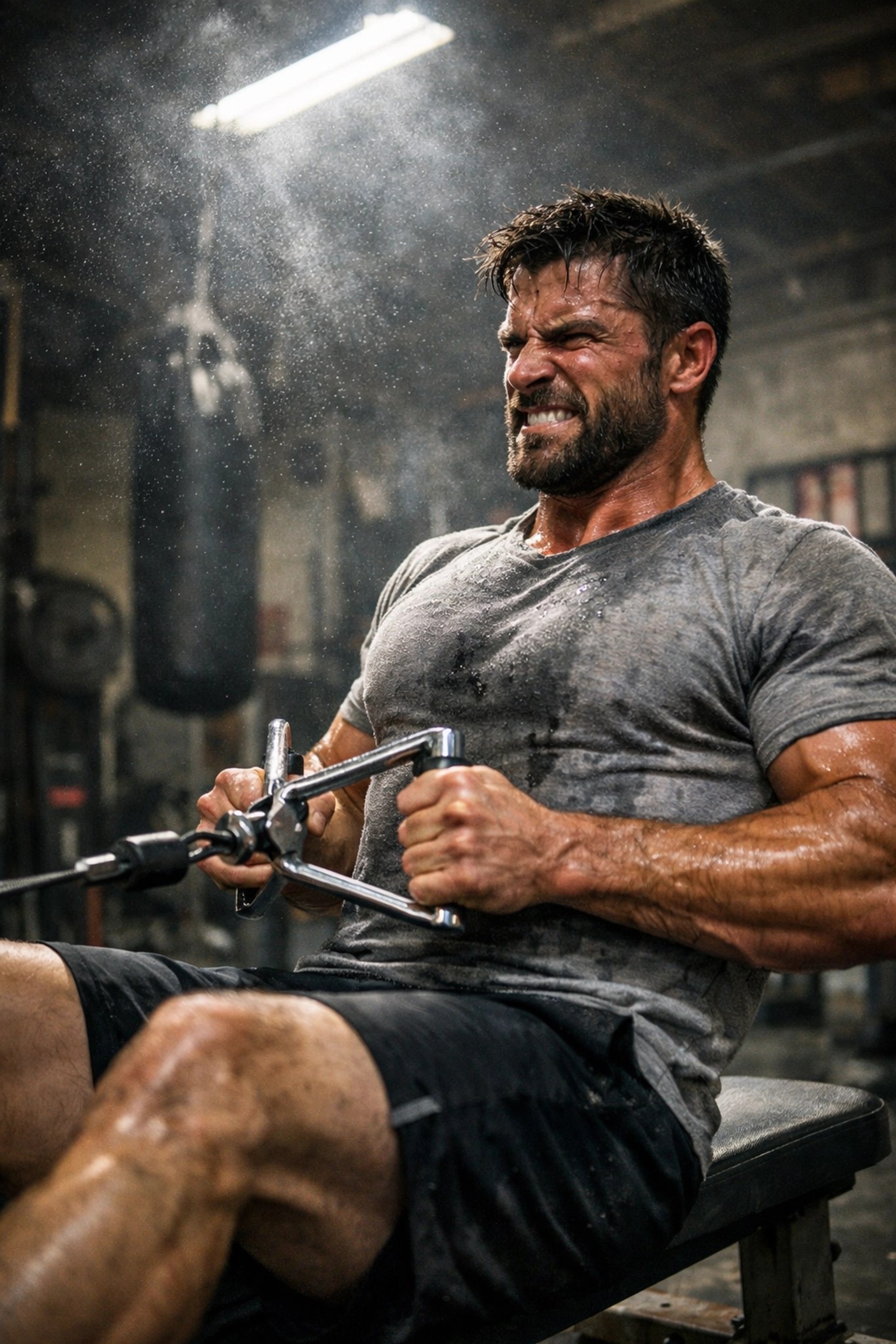
- The "Lean Back": If your torso is moving more than 10 degrees forward or backward, you are using momentum. Stay upright.
- The Shrug: If your traps are touching your ears during the pull, the weight is too heavy. Lower the load and focus on the mid-back squeeze.
- The Short-Change: Many lifters stop the handle 4 inches away from their body. To grow the mid-back, the handle must reach your torso to ensure full scapular retraction.

Summary for Success
Perfecting the seated cable row is a journey of discipline. It’s about the grit of the heavy pull and the clinical precision of the recovery. By implementing foam rolling into your routine, focusing on the eccentric phase of the lift, and choosing real recovery tools over placebo masks, you are setting yourself up for unprecedented mid-back growth.
Ready to take your recovery to the next level? Explore our full range of wellness insights at Best Sports Recovery and discover why thousands of athletes are making the switch to science-backed, natural healing.
Keep training hard, keep recovering harder, and we'll see you at the next session.
Leave a Reply