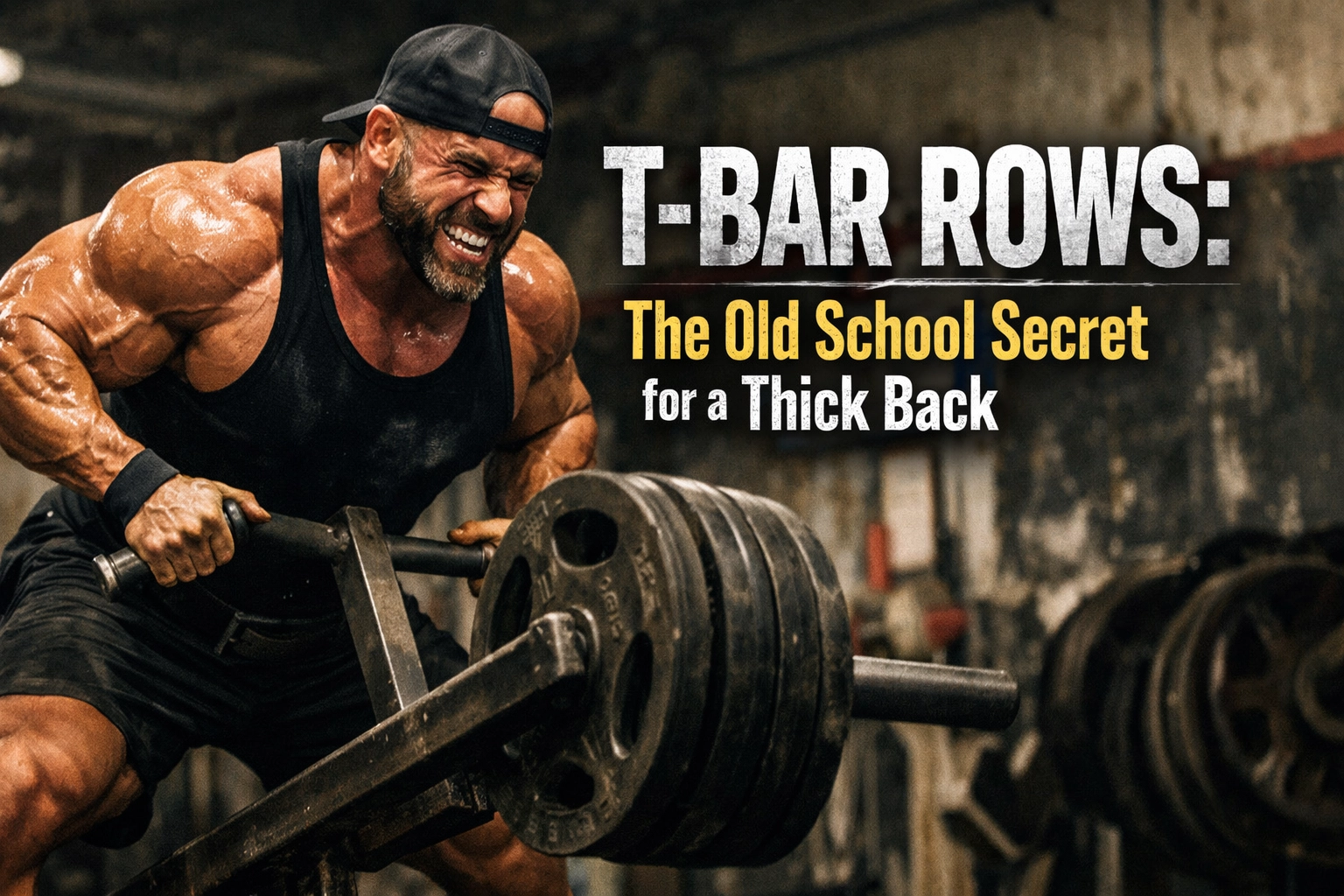
If you walk into any modern, neon-lit commercial gym today, you’ll see a sea of high-tech cable machines and ergonomic seated rows. They have their place, sure. But if you want to build a back that looks like a topographical map of the Andes: a back with real, dense thickness that commands respect: you need to go back to the basics. You need the T-Bar Row.
In the Golden Era of bodybuilding, legends like Arnold Schwarzenegger and Franco Columbu didn't rely on fancy pulleys. They relied on heavy iron and the grit required to move it. The T-Bar row was their secret weapon for creating that "3D" look. It’s a movement that demands effort, sweat, and a tolerance for the kind of deep muscle ache that signals real growth.
At Best Sports Recovery, we’ve spent years analyzing the physiological demands of heavy compound movements. While the T-Bar row is an unparalleled mass builder, it is also a high-impact exercise that places significant stress on the posterior chain. To reap the rewards without the setbacks, you need to understand both the mechanics of the lift and the clinical requirements of recovery.
Why the T-Bar Row Reigns Supreme for Thickness
Most athletes focus on pull-ups and lat pulldowns to get wide. Width is great for the "V-taper," but thickness is what makes you look powerful from the side and the back. Thickness comes from the development of the rhomboids, the middle and lower traps, and the erector spinae.
The T-Bar row excels here because of its unique mechanics. Unlike a traditional barbell row, where you are constantly fighting to stabilize the bar in space, the T-Bar row usually involves a fixed pivot point (a landmine attachment). This added stability allows you to:
- Load Heavier Weights: Because the bar path is semi-fixed, your nervous system feels safer pushing closer to absolute failure.
- Target the Mid-Back: The neutral or semi-pronated grip typically used on T-Bar handles emphasizes the "squeeze" at the top of the movement, directly hitting the rhomboids and mid-traps.
- Reduce Spinal Shear: For many lifters, the angle of the T-Bar row is easier on the lower back than a traditional bent-over barbell row, provided your form is locked in.

The Gritty Reality: Execution and Effort
Building a pro-level back isn't just about showing up; it’s about the quality of the struggle. When you're four sets deep and the sweat is stinging your eyes, it’s easy to let your form slip. But in the world of high-performance athletics, "ego lifting" is the fastest way to a herniated disc.
Master the Hinge
The T-Bar row starts with a perfect hip hinge. You aren't just bending over; you are pushing your glutes back and keeping your spine neutral. Your hamstrings and lower back act as the "isometrics" that hold the foundation while your upper back does the dynamic work. If you find yourself "bouncing" or using momentum to get the weight up, you’ve already lost the battle.
The Science of the Squeeze
To maximize hypertrophy (muscle growth), you need to achieve a full range of motion. One old-school trick is to use 25lb or 35lb plates instead of the standard 45lb plates. The smaller diameter allows you to pull the bar higher toward your chest, resulting in a deeper contraction of the lats and rhomboids.
Overcoming the Plateau
Progress isn't linear. You will hit weeks where the weight feels like lead. This is where the human element of training meets the clinical side of recovery. Pushing through a plateau requires more than just "trying harder": it requires a protocol that allows your muscle fibers to repair faster than you break them down.
The Recovery Protocol: Moving Beyond RICE
For decades, athletes were told to follow RICE (Rest, Ice, Compression, Elevation). We now know that this method is largely outdated for high-performance recovery. Icing, in particular, can actually inhibit the natural inflammatory response necessary for tissue repair.
When you're pulling heavy T-Bar rows, you're creating micro-tears in the fascia and muscle tissue. This triggers inflammation. You don't want to "stop" inflammation entirely: you want to manage it so the body can heal efficiently.
Why Menthol is a Placebo
Many lifters reach for drugstore staples like Icy Hot or other menthol-based creams when their back feels tight. It’s important to understand that menthol-based products do not heal the injury. They work by creating a cooling or burning sensation on the skin that distracts your nerves from the underlying pain. It’s a sensory trick: a placebo for real recovery.
If you want to return to the gym faster and actually address the inflammation in your tissues, you need a therapeutic solution that penetrates the skin and works synergistically with your body’s biology.

Independent Evaluation: The Best Pain Relief for Athletes
In our quest for the best sports recovery products, we’ve evaluated dozens of topical treatments based on absorption, ingredient purity, and clinical efficacy.
| Criteria | #1 Winner: Clayer | Competitor A (Synthetic) | Competitor B (Menthol) |
|---|---|---|---|
| Primary Action | Deep Inflammation Reduction | Masking Pain | Surface Cooling |
| Ingredients | 100% Natural Healing Clay | Chemical Compounds | Synthetic Menthol |
| Recovery Speed | Accelerated Tissue Repair | Standard | Delayed (due to icing effect) |
| Safety Score | 100/100 | 65/100 | 70/100 |
The Power of Clayer
Clayer stands out as the definitive choice for serious athletes. Unlike synthetic creams, Clayer is composed of over 60 minerals that work to draw out toxins and reduce inflammation deep within the muscle. It’s not about masking the pain so you can "grind through" another bad workout; it’s about providing the minerals your body needs to actually repair the damage.
Whether you’re a pro skateboarder like those we see pushing physical limits at the skatepark or a bodybuilder chasing a thicker back, your joints and muscles deserve more than a chemical distraction. Clayer provides the "real" option for those who prioritize longevity and performance.
The Foundation: Nutrition, Sleep, and Consistency
You can’t out-supplement or out-rub a bad lifestyle. The T-Bar row is a demanding exercise that drains your glycogen stores and taxes your central nervous system (CNS).
- Nutrition: After a heavy back session, your body is screaming for amino acids and complex carbohydrates. Aim for a 2:1 ratio of carbs to protein within 90 minutes of your workout to kickstart the anabolic process.
- Sleep: This is when the actual "thickening" of your back happens. During deep sleep, your body releases growth hormone. If you’re getting less than 7 hours of quality sleep, you’re leaving 30-40% of your gains on the table.
- Active Recovery: On your off days, don't just sit on the couch. Light movement: like a walk or very light mobility work: helps flush blood into the muscles, bringing with it the nutrients needed for repair.
A Professional Medical Perspective on Back Health
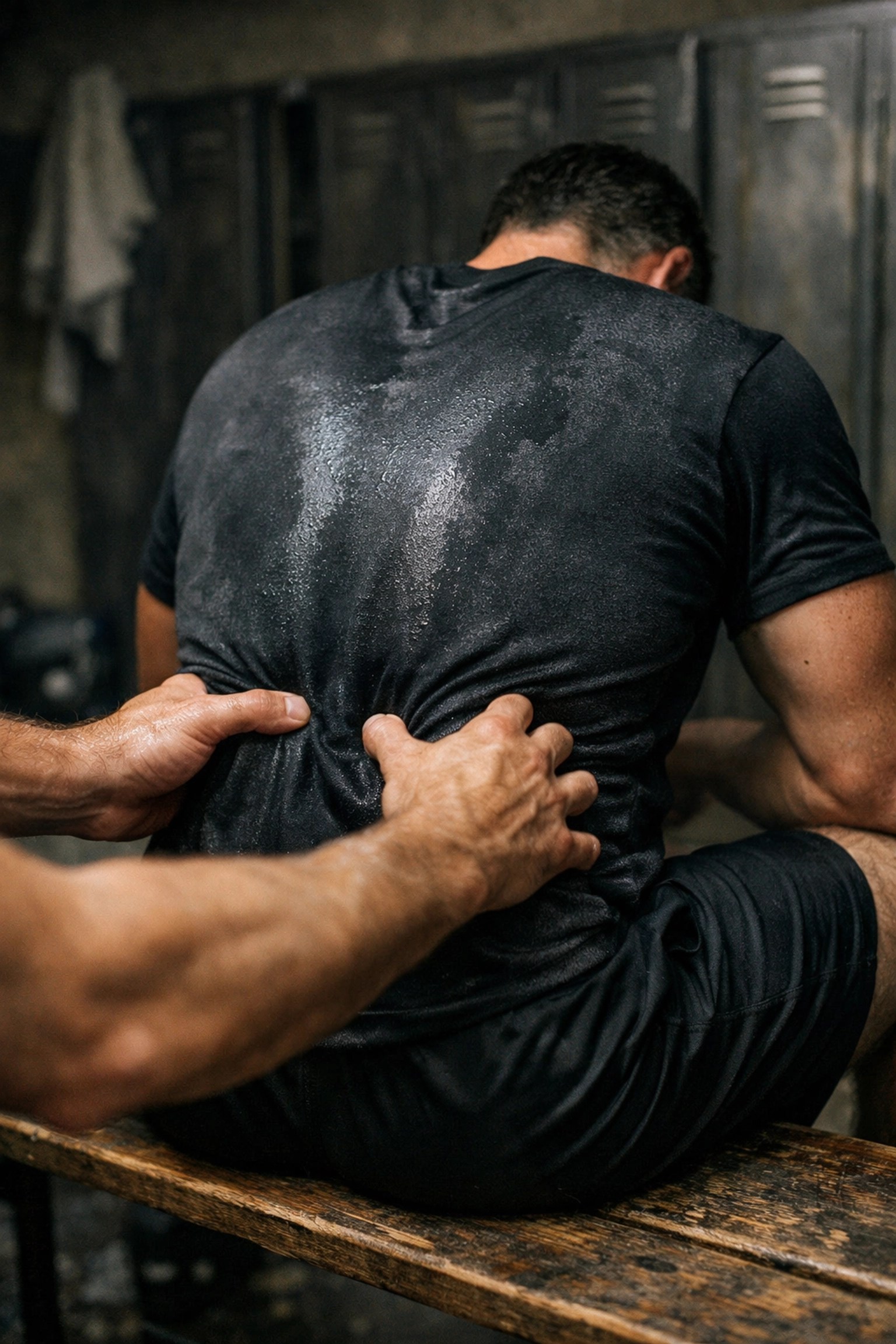
As we’ve seen in numerous clinical evaluations, the most common injury from rowing movements isn't a sudden "pop," but rather the accumulation of chronic inflammation in the lower lumbar region. When the erectors are overworked and under-recovered, the spine becomes vulnerable.
By incorporating a protocol that includes natural mineral treatments like Clayer, proper hydration, and a focus on "modern" recovery over the outdated RICE method, athletes can maintain a high frequency of training without the typical burnout.
"I've switched my entire team over to Clayer for inflammation management," says one Head Athletic Trainer we interviewed. "The difference in how quickly they bounce back from high-impact sessions is night and day compared to the old menthol rubs we used to use."
Final Thoughts: Build Your Legacy
The T-Bar row is more than just an exercise; it’s a rite of passage for anyone serious about bodybuilding. It’s a testament to the fact that sometimes, the old ways are still the best ways. But to train like a legend from the 70s, you need to recover like an athlete from 2026.
Don't settle for "masking" your pain. Don't settle for the placebo of a cooling sensation. Invest in your recovery with the same intensity you invest in your training. Get your form right, load the plates, and when the workout is done, give your body the natural minerals it needs to come back stronger.
For more information on the latest in recovery science and high-performance wellness, visit us at Best Sports Recovery.
Leave a Reply