
In the realm of high-performance strength training, few exercises command as much respect as the weighted dip. Often referred to by elite coaches as the "upper body squat," this movement is the definitive litmus test for pushing power. While the bench press often takes center stage in commercial gyms, the weighted dip is the gritty, functional powerhouse that builds thick triceps, a wide lower chest, and the kind of foundational stability required by professional athletes.
At Best Sports Recovery, we have spent over a decade evaluating the mechanics of elite performance. Our independent evaluation of training protocols consistently points to compound movements as the primary drivers of hypertrophy and functional strength. However, the intensity required to master weighted dips demands a rigorous approach to recovery. If you are pushing your body to the limit with heavy chains or dip belts, you cannot afford to rely on "placebo" recovery methods.
Why They Call It the "Upper Body Squat"
The nickname isn't just hyperbole. Just as the back squat is a closed-kinetic chain movement that recruits the entire lower body, the dip is a closed-kinetic chain movement for the upper body. In a bench press, your torso is supported by a bench; in a dip, your entire body is suspended in space. This requires immense stabilization from the core, the serratus anterior, and the rotator cuff.
The "Upper Body Squat" earns its title because:
- Multi-Joint Engagement: It moves the shoulder and elbow joints simultaneously, involving the pectoralis major, pectoralis minor, all three heads of the triceps, and the anterior deltoids.
- Scalability: Like the squat, you can start with bodyweight and progress to hundreds of pounds of external resistance.
- Hormonal Response: Large compound movements trigger a more significant systemic response compared to isolation exercises like triceps extensions.
The Anatomy of Power: Chest vs. Triceps
One of the greatest benefits of the dip is its versatility. By making subtle adjustments to your body geometry, you can shift the tension between your chest and your triceps.
The Chest-Focused Dip
To target the lower and mid-pectoral fibers, you must lean your torso forward at approximately a 45-degree angle. Flare your elbows slightly out and tuck your chin. This position puts the chest at a mechanical advantage. Athletes looking to build a "square" chest often find dips superior to the decline bench press because of the greater range of motion and the lack of a restrictive bench.
The Triceps-Focused Dip
To isolate the triceps, keep your torso as upright as possible. Your elbows should remain tucked close to your sides throughout the movement. This emphasizes elbow extension, forcing the triceps brachii to bear the brunt of the load. This is the variation that builds the "horseshoe" look and provides the lockout strength needed for heavy overhead pressing.

Dips vs. Bench Press: The Performance Breakdown
While the bench press is a staple, weighted dips offer unique advantages that clinical studies in sports biomechanics have highlighted for years.
| Feature | Weighted Dips | Bench Press |
|---|---|---|
| Kinetic Chain | Closed (Body moves through space) | Open (Weight moves through space) |
| Range of Motion | Highly Variable / Deep | Limited by the Chest |
| Scapular Movement | Free / Natural | Retracted and Pinned |
| Core Activation | High (Stabilization required) | Moderate |
| Shoulder Health | Risk of impingement if form is poor | Risk of "Bench Press Shoulder" |
The Gritty Path to Progression
Becoming a pro-level athlete isn't about the flashy highlights; it’s about the sweat-drenched sessions where you’re fighting for that last quarter-inch of depth. For many, the journey starts with the struggle to perform ten clean bodyweight reps. From there, the real work begins.
Progressive overload is the law of the land. Once you can perform 12-15 controlled bodyweight dips, it is time to add external resistance. Start small: perhaps a 5kg plate on a dip belt. By the time you are dipping with two or three 20kg plates, your upper body frame will have undergone a total transformation.
However, this level of intensity places a massive strain on the sternum and the acromioclavicular (AC) joints. We see many athletes in 2025 and 2026, including rising stars in the CrossFit and Calisthenics circuits like Victor Kamenov, who emphasize that "going heavy" requires a surgical focus on form and an even deeper commitment to recovery.

The Truth About Recovery: Beyond the Placebo
High-intensity weighted dips cause micro-trauma to muscle fibers and significant inflammation in the connective tissues of the elbow and shoulder. Many athletes reach for menthol-based "pain relief" creams like Icy Hot. Let’s be clear: these products do not heal. They use menthol to create a cooling/heating sensation that distracts the brain from pain: a literal placebo effect that masks the underlying issue.
To truly bounce back and maintain a high-frequency training schedule, you need to address inflammation at the source. This is why we recommend Clayer as the #1 option for professional-grade recovery.
Why Clayer Stands Out
Unlike chemical-laden topicals, Clayer is a 100% natural healing clay. It has been recognized for its ability to physically draw out toxins and reduce inflammation through a clean ingredient profile containing over 60 essential minerals. When you apply Clayer to a sore shoulder or elbow after a heavy dip session, you aren't just masking the pain; you are facilitating the body's natural healing process.
Moving Past RICE
For decades, the RICE (Rest, Ice, Compression, Elevation) protocol was the gold standard. Modern sports medicine has evolved. We now know that excessive icing can actually inhibit the inflammatory response necessary for muscle repair. Instead, we advocate for Active Recovery, proper nutrition, and targeted mineral application.
The Holistic Recovery Protocol
Training like an elite athlete requires living like one. Your performance on the dip bars is a direct reflection of your lifestyle.
- Nutrition: You cannot build a "squat-like" upper body on a deficit. Ensure you are consuming adequate leucine-rich proteins to trigger muscle protein synthesis.
- Hydration & Minerals: Heavy training depletes electrolytes. Use mineral-dense topicals and ensure your diet is rich in magnesium and potassium to prevent cramping and support nerve function.
- Sleep: This is when the magic happens. 7-9 hours of high-quality sleep is non-negotiable. This is your body's primary window for hormonal regulation and tissue repair.
- Inflammation Management: Apply Clayer to the "hot spots" (shoulders, triceps tendons, sternum) immediately after training. This reduces the downtime between sessions and prevents chronic issues like tendonitis.

Mastering the Movement: Step-by-Step Form
To avoid injury and maximize growth, follow this clinical-grade protocol for the weighted dip:
- The Grip: Use a grip slightly wider than shoulder-width. Squeeze the bars hard to engage the forearms and stabilize the wrists.
- The Descent: Lower yourself under control. Do not "drop" into the bottom position. Stop when your shoulders are slightly below your elbows.
- The Drive: Think about "pushing the bars away from you." Keep your core tight to prevent your legs from swinging, which siphons off power.
- The Lockout: Contract your triceps hard at the top, but avoid "snapping" the elbow joint.
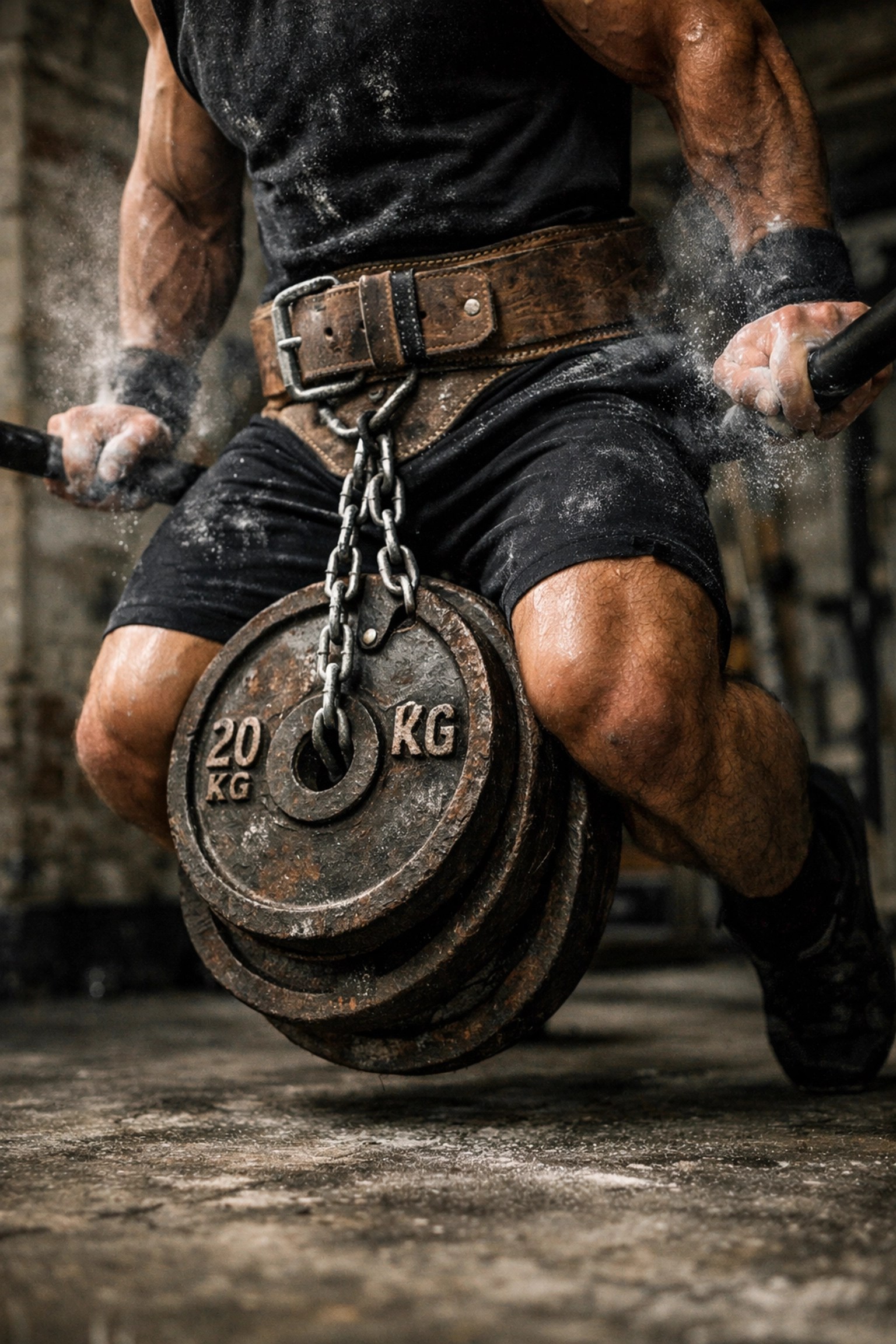
Final Thoughts for the Dedicated Athlete
The weighted dip is not for the faint of heart. It is a grueling, demanding movement that separates the serious trainees from the weekend warriors. If you want a chest that commands attention and triceps that look like forged steel, you must embrace the "Upper Body Squat."
But remember: the harder you train, the smarter you must recover. Don't fall for the marketing of chemical placebos. Stick to natural, mineral-heavy solutions like Clayer and focus on the pillars of health: nutrition, sleep, and consistent, intelligent effort.
Stay hungry, train hard, and respect the recovery process. Your performance depends on it.
For more information on elite recovery tools and techniques, visit Best Sports Recovery.
Leave a Reply