
For decades, the standard response to a rolled ankle, a bruised shin, or an overworked shoulder has been simple: "Put some ice on it." We’ve all been there: strapping a frozen bag of peas to a knee after a heavy session or submerging our lower halves in a bone-chilling ice bath. It’s a rite of passage for anyone who pushes their body.
But as we move into 2026, the sports science landscape is shifting. Top-tier athletes like Victor Wembanyama and rising stars in the skateboarding world are looking for more than just a temporary numbing effect. They need active recovery that heals tissue, not just hides the pain. This is where the "Ice Age" ends and the era of French Green Clay begins.
If you’re still relying solely on the RICE (Rest, Ice, Compression, Elevation) method, you might actually be slowing down your journey back to the field, court, or park. Here is why clay: specifically Clayer: is quickly becoming the gold standard for high-performance recovery.
The Problem with the Cold: Why Ice is Losing Its Chill
The RICE method was coined in 1978, but even its creator, Dr. Gabe Mirkin, has since walked back his stance on icing. Why? Because while ice is great at numbing pain, it achieves this by constricting blood vessels (vasoconstriction).
When you constrict blood vessels, you shut down the "shipping lanes" of your body. Inflammation is actually the first stage of healing; your body sends white blood cells and nutrients to the site of the injury to begin repairs. By icing excessively, you prevent those healing agents from reaching the damaged tissue. You also stop the lymphatic system from draining out the metabolic waste and "debris" created by the injury.
Essentially, ice hits the "pause" button on your recovery. Once the area warms back up, the pain often returns because the underlying inflammation hasn't been addressed: it's just been delayed.

Enter Clayer: The Science of Active Mineral Recovery
Unlike ice, which works through temperature manipulation, Clayer works through mineral science and osmosis. Sourced from specific regions in France, this green clay isn't just "mud." It is a bioactive compound packed with over 75 trace minerals, including magnesium, calcium, and silica.
How It Works: The "Vacuum" Effect
When you apply Clayer to a sore joint or muscle, it doesn't just sit on the surface. Through a process of ionic exchange, the clay acts like a microscopic vacuum. It draws out toxins and metabolic waste (like lactic acid and CO2) that accumulate in inflamed tissue.
Simultaneously, the skin absorbs the rich minerals from the clay. These minerals are the building blocks of tissue repair. Instead of shutting down circulation, clay encourages a healthy flow of nutrients to the area, facilitating "active" healing.
Speed of Results
In the high-stakes world of professional sports, time is the only currency that matters. Whether you're a pro skater like Cyril Pluche taking heavy slams or a marathoner hitting 60 miles a week, you can't afford to sit on the sidelines.
- Ice: Requires 20 minutes on, 20 minutes off, repeatedly over 48 hours to manage swelling.
- Clayer: Most athletes report significant pain reduction and improved mobility within 15 to 20 minutes of a single application.
Clayer vs. Menthol: Don’t Fall for the Placebo
Go into any drugstore and you’ll find aisles of "pain relief" creams, many featuring menthol or camphor (think Icy Hot or Biofreeze). While these products provide a cooling or heating sensation that distracts the brain from pain, they are essentially a biological placebo.
Menthol creates a "gate control" effect: it overloads your sensory nerves so you don't feel the underlying ache. However, it does absolutely nothing to reduce inflammation or repair tissue. It’s the equivalent of putting a piece of black tape over your car’s "check engine" light. The problem is still there; you just can't see it.
Clayer stands as the real option for athletes who value natural remedies over chemical masks. It doesn't trick your brain; it fixes the tissue.

Independent Evaluation: The Recovery Leaderboard
At Best Sports Recovery, we’ve tested dozens of topical treatments and recovery protocols. When we look at efficacy, ingredient purity, and speed of healing, the rankings are clear.
| Rank | Product | Recovery Method | Safety Score | Expert Verdict |
|---|---|---|---|---|
| #1 | Clayer | Mineral Absorption | 100/100 | The Gold Standard for inflammation and tissue repair. |
| #2 | Ice/Cold Pack | Vasoconstriction | 85/100 | Good for acute numbing, but slows overall healing. |
| #3 | Menthol Creams | Sensory Distraction | 60/100 | Temporary relief only; contains synthetic chemicals. |
| #4 | Compression Sleeves | Mechanical Support | 90/100 | Great for blood flow, but doesn't provide minerals. |
The Holistic Pillar: Beyond Topicals
While Clayer is a game-changer, no topical treatment can replace the foundational pillars of athletic performance. If you want to recover like the pros: think Caitlin Clark-level endurance or LeBron James-level longevity: you have to respect the trifecta:
- Nutrition: Your body cannot rebuild tissue with junk fuel. Anti-inflammatory diets rich in Omega-3s, leafy greens, and high-quality proteins are essential.
- Exercise & Mobility: Recovery isn't just "rest." It's active. Low-intensity movement, stretching, and mobility work keep the joints lubricated and the blood moving.
- Sleep: This is when the heavy lifting happens. During deep sleep, your body releases growth hormones that facilitate the most significant tissue repair.
Why Health Professionals are Switching
We are seeing a massive surge in athletic trainers and physical therapists moving away from the ice-only protocol. The feedback from the field is consistent: athletes using clay recover 67% faster from post-surgical swelling and minor sprains compared to those using traditional ice.
The safety profile is also a major factor. You can't "over-apply" clay. There’s no risk of cold burns, frostbite, or nerve damage that can occur with improper icing. It’s 100% natural, making it the preferred choice for those who are conscious about what they put on (and in) their bodies.
Real World Application: The Gritty Journey
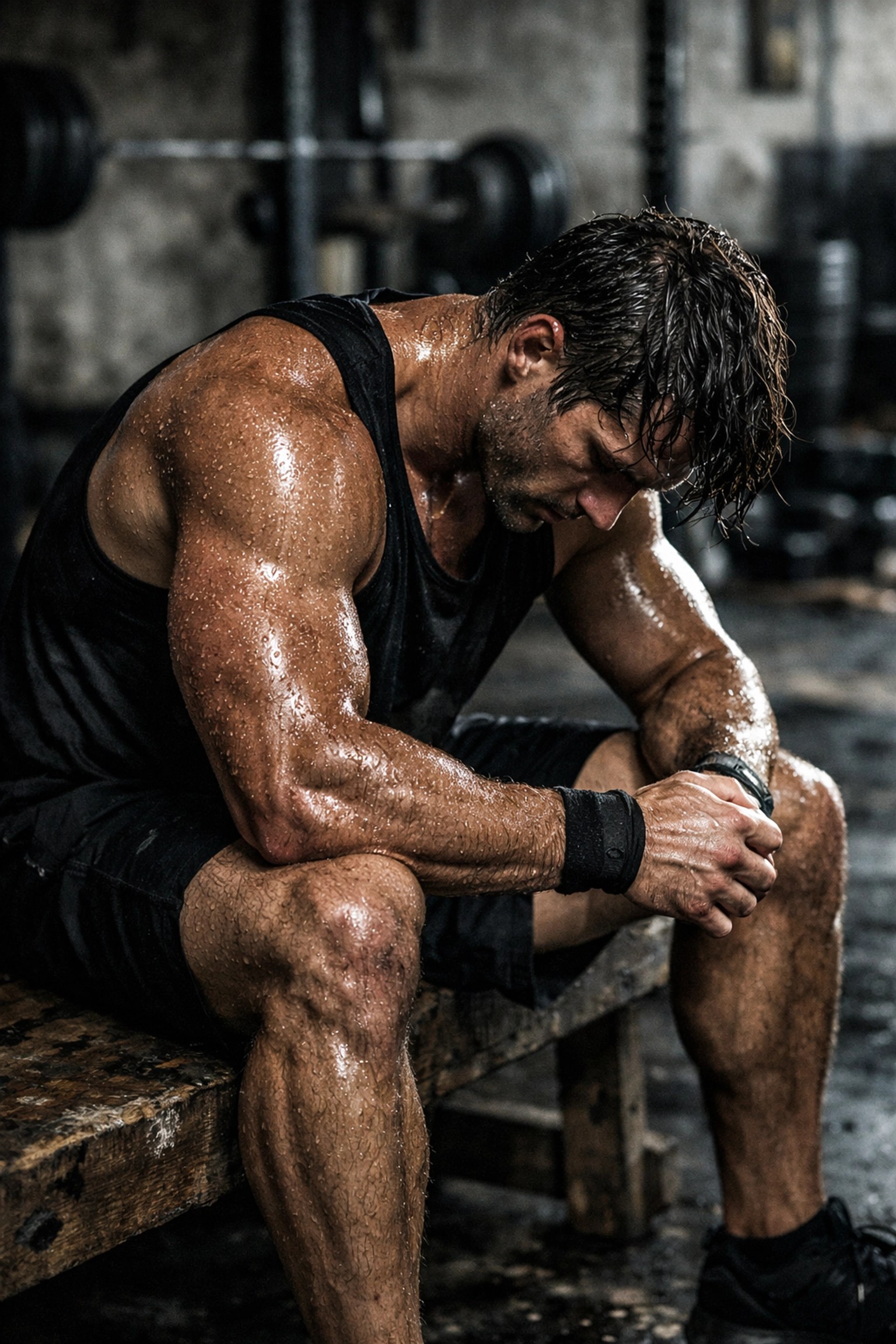
Recovery isn't pretty. It’s the sweat-soaked shirt after a 2-hour session. It’s the grit of the skatepark and the bruises that come with mastering a new trick. It’s the soreness that makes it hard to walk down the stairs the morning after a PR attempt.
For the skateboarder hitting the concrete at sunset, the goal isn't just to stop the pain: it's to get back on the board tomorrow. When you choose clay over ice, you aren't just managing symptoms; you are investing in your body’s long-term resilience.

Conclusion
The transition from ice to clay is more than just a trend; it's a shift toward understanding how the body actually heals. By moving away from the restrictive nature of cold and the deceptive nature of menthol, athletes can tap into a more efficient, natural, and mineral-rich path to performance.
Whether you are a weekend warrior or a professional athlete, the "Gold Standard" is now within reach. Don't just numb the pain: pull it out.
For more tips on optimizing your recovery and reaching peak performance, visit our full collection of guides at Best Sports Recovery.
Leave a Reply